Showing posts with label Food. Show all posts

Saturday, February 28, 2015

Tea: More Than Just a Cup of Hot, Aromatic Water


[caption id="attachment_3599" align="alignnone" width="241"]Teas of various sorts, benefit us worldwide. Teas of various sorts benefit us worldwide.[/caption]

A good friend once told me an interesting theory about taking care of one’s health.  He explained me that a few hundred different cultures around the globe seem to be able to eat whatever they want but stay seemingly fit and healthy: [EXAMPLE 1, EXAMPLE 2, EXAMPLE 3]. How did they do it?

The trick, I was taught, is to drink a warm liquid after meals, preferably a warm herbal tea.

Think about it. In the case of over-indulging in snacks made up of greasy, fried, and sugary foods, what physically happens to the food in your belly after gulping down an ice-cold coke, or even ice-cold water? The greasy fats solidify. The purpose of a warm liquid, particularly an herbal tea, is thought to perhaps help the body to digest the clumps of fat and sugar ingested.

But that’s probably not all that tea does for our health. Loose leaf or in an unbleached bag, tea offers a wide array of benefits---physically, internally, mentally, and spiritually.

To energize your soul and sharpen your mind, brew of green or mint tea. [source?] To sink into a state of peace, enjoy a warm cup of dreamy lavender or chamomile. [source?] Don’t stop there, though. Expand your personal tea knowledge by trying different kinds, even if only in prepackaged tea bags. Ginger tea might aid nausea [source?]. Raspberry tea is thought to both induce and even soothe a menstrual cycle. [source?] All variations of tea, from all regions of the world, contain powerful, natural antioxidants, the most concentrated of which are known as polyphenols. [source?] Polyphenols  might help to neutralize free radicals in the body, which might make some contribution to both heart disease and cancers of the body. [source?]

MayoClinic.com claims green tea would be the best option to prevent or even slow the development of heart disease and cancer.

[conclusion]

Thursday, November 20, 2014

France's Apéro Géant: Cultural Events Fueled by the Internet

Today's world is a world of our own making. It is very exciting to be a participant in globalization. We have the good fortune to see the people of the world growing closer despite geographical limitations. We are using the Internet and mass communication to reach each other in ways we never imagined before. But are we doing it right?

In 2010, the world's tallest building opened in Dubai. Chile experienced an 8.8 magnitude earthquake. Eyjafjallajökull erupted in Iceland, closing much of Europe's airspace. California's Proposition 8 was overturned.

Meanwhile, in France people were worried about the dangers of eating snacks and having a beer outdoors.

Here in “the Hexagon,” there is a really nifty custom called the “apéritif.” It's one of those not-so-easily-translated-into-English words that one sometimes hears about. The reason it isn't so easy to translate is that it refers to an event in which English speakers don't ordinarily take part. Imagine you've been invited to the home of a French friend or colleague. They tell you that you'll be having lunch, and instantly you think “Okay, I'll have a sandwich and perhaps have a cup of coffee with them.” When you arrive, they sit you down and pass around some bowls of nuts, crackers, chips, or what have you.

You feel betrayed. You wonder where lunch is.

[caption id="attachment_3294" align="aligncenter" width="530"]"I was told there would be food." "I was told there would be food."[/caption]

They start to ply you with alcohol: “Here, have some red wine. Now try the white wine. Would you like something else?” and, with your stomach being mostly empty, you start to feel the alcohol affecting you. Suddenly you are oh-so-sociable and your French is better than it has been in years. Then, everyone sits down around the table and they start serving actual food.

This is what I think of when I think of the apéro, as it is called in short. Of course, I am an outsider looking in on the customs of another culture, so don't consider me an expert. As I see it, the apéro is the moment when everyone is waiting for the chicken to finish baking. We start drinking a bit and eat some savory snacks. It's like warming up for a long run, except you'll be horribly bloated at the finish.

One day, as I did every day, I walked through the town where I was studying and approached the local castle (cool, I know). Normally on a beautiful spring day, I'd walk through the tranquil grounds, drinking in the sights and sounds of gravel crunching underfoot, birds chirping in the trees, and the sun shining on the grass outside the walls. On this particular day, however, the grounds were absolutely covered with bodies all busy drinking and snacking on treats.

While marveling at the strange and wonderful sight, I suddenly noticed an armored vehicle at the perimeter, surrounded by police officers in riot gear. I didn't know what was happening, and as far as I knew, it was the strangest riot I had ever seen, given that everyone looked so very jubilant.

Later, I learned that what I had seen wasn't a mass of people angrily protesting something. I had witnessed an apéro géant (giant apéritif). It's the same idea as the apéritif I described before, but this time, it was in public, and with hundreds of people.


4463047699_7425515639_o


A few years ago in France, young people began taking advantage of Facebook to communicate to one another the locations and times of these apéros géants.


In the US, public intoxication is a punishable offense that is taken very seriously. In many other countries around the world, however, it's just fine to drink yourself into a stupor and talk to pigeons, stare at the sky, or play a board game in the park- whatever you'd like to do, unless it isn't breaking a law like stealing or breaking-and-entering. It's also illegal in France, but I doubt that I'd be arrested for stumbling along the street on my way home here. Perhaps a more relaxed treatment of public intoxication enabled this kind of event to expand?


[caption id="attachment_3296" align="aligncenter" width="480"]"I don't care if you think it's weird; he understands me." "I don't care if you think it's weird; he understands me."[/caption]

As we communicate more easily, we can begin to see this communication affecting our cultures and the way we interact in them. This is exciting and dangerous. While the apéro géant is a nice idea- it is akin to an American college party---it does have negative aspects. Apéros géants have been used as political platforms, some of them anti-Islamic in nature. At one apéro géant with more than 9,000 participants, a 21 year old man fell from a bridge he had climbed. He later died as a result of his injuries. At a different apéro géant, three men were arrested on charges of having raped a 17 year old Irish girl.


Under current French law, apéros géants are treated as public gatherings that can be regulated according to laws designed to maintain public order. In order to host one of these events, someone must first declare her or his plan to host it and may be held responsible for the conduct of the participants. The host(s) must sign their name(s), include the names of participants, the motivation for holding the event, and might even be required to include an itinerary. Failing to comply with the law may result in a fine of up to 7, 500 euros and/or 6 months in prison.


Should the French government have the right to limit the freedom of the people to gather for these apéros géants? Should the government be required to provide security and safety at these or other public events? Is it wrong for people to use Facebook and other forms of social media to manipulate long-standing cultural traditions? In doing so, are these traditions diluted, or are they enhanced?


What do you think?


[Click on images to find their sources; the image of the apero geant has been slightly modified for better visibility in accordance with copyright restrictions.]

Tuesday, May 13, 2014

8 Differences between Korea and Oman

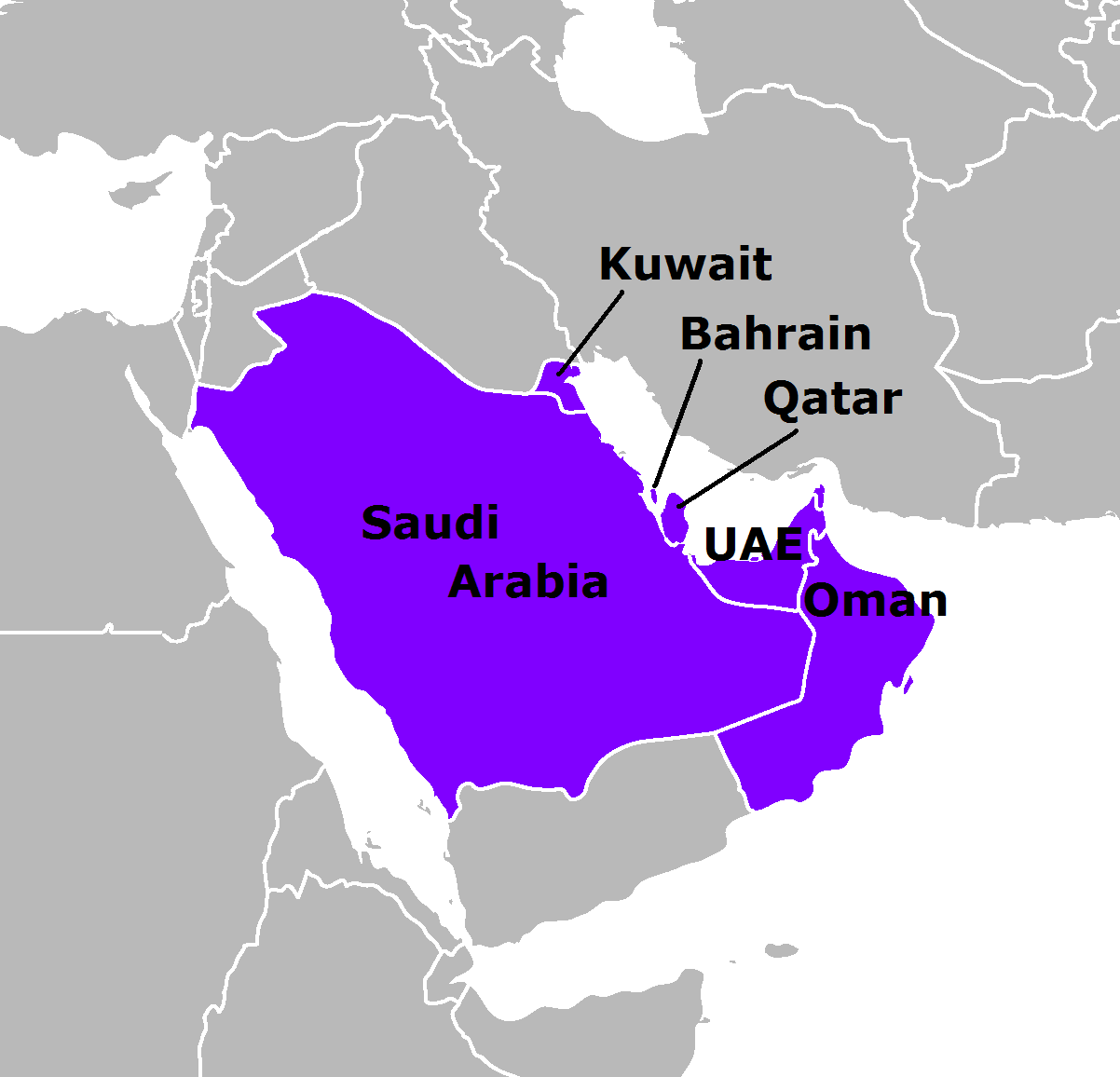
These days, word around the ROK is that the EFL field is not what it once was. Foreign teachers are less in demand as there are now so many of them there, and schools can be much pickier about whom and how they hire. Many Korean schools now prefer to hire only those with at least an F-4 Visa, teachers who speak both Korean and English, and teachers who were born, raised and educated in Korea rather than overseas. In short, it seems the golden days for the foreign EFL teachers have come and gone. Granted, many expat educators still have great positions, but for any newbies coming in, they will be hard-pressed to find a job, let alone one that pays more than 2.1 after taxes. Other expats have found themselves pushed out of lucrative positions, and are disheartened to find that they must start at the bottom rung once again despite x amount of years of experience teaching in the ROK. More and more, we see people turning to the Gulf States of the Middle East as another option. The UAE, Oman, and Qatar have been popular choices.

Persian_Gulf_Arab_States_english

Many conscience-minded expats are discouraged from working in Saudi Arabia, however, as their laws are seen as barbaric and their treatment of women is medieval. Purely from an ethical standpoint, no matter how good the money is, should you really support a society that still has weekly public beheadings? All too often the victims are innocent girls from poorer countries who take jobs as domestic servants. They may be assaulted by the man of the house, and if the girl presses charges she could be charged with adultery and face public execution. So yeah, maybe stay out of Saudi Arabia until they become a  little bit more enlightened. This may sound harsh, but talk about harshness after visiting Deera Square (A.K.A. “Chop Chop Square”) on a Friday after prayer.

phonot

Oman, on the other hand, has earned a fairly solid reputation towards its treatment of people, and so many expats are now turning their eyes to the oases, wondering what it would be like to work in the Sultanate of Oman. Lest I beat the subject to death, let me first say that this will be my last article regarding Oman. Still, before I close the subject for good, I thought some might be interested in learning the 8 Big Differences between being an Expat in Oman as compared to Korea. Let's start with the most obvious:

8. The Jobs

EFL jobs tend to differ from country to country and culture to culture. In Korea, you will most likely work Monday to Friday, and quite often be asked to work a few Saturdays as well. You may find yourself working at any end of the education spectrum, from kindergarten and elementary to universities and adult language institutes, depending on your qualifications and the employer’s immediate needs. Your salary will most likely be somewhere between 2.1 and 2.6 million won ($2000-$2500) per month, before taxes. Housing and fifty per cent of your medical are also usually provided, plus a month’s severance pay at the end of your contract. Vacation days vary from 10 days for hagwons (private schools) to two months for some universities, although you may have to work summer and winter camps during that time. If you do, you will be paid extra. Also, some schools provide at least part of your airfare.

In Oman, most EFL jobs are at the collegiate level, working either for the Ministry of Higher Education, a recruiter, or the military. Your salary will range from 950 rial to 1400 rial ($2400-$3600) per month. If your salary is in the lower end of the spectrum, housing will be provided. If you land a job with a salary closer to the higher end, you will most likely be expected to find your own place, but rent is cheap. The apartments are spacious (the one I am in now has 2 bedrooms, 2 bathrooms, living room and a big kitchen) and rent for as low as 200 rial. You may also need a car, as public transportation in Oman is not nearly as reliable as it is in Korea. You can rent little economy cars for as low as 160 rial a month, or buy your own car. You can buy new, but used cars are usually more popular with expats. Smaller used cars may cost as little as 300 rial, and larger four-by-four vehicles – such as a Jeep – will run you around 1600 rial. The latter is much more fun for driving in the mountains. Most expats who choose to buy a car will sell it when they leave to make most of that money back. More good news: All of your health care is paid, with the exception of a small co-payment that is usually no more than 500 baisa ($1.30). Also, gas/petrol is extremely cheap in Oman, and there is no tax, so you get to keep every bit of your salary. As far as jobs go in Oman, there is a saying: “They pay what they say, and they pay on time.” The paperwork is not nearly as frustrating and time-consuming as it is in Korea (at least not yet) as no criminal background check is required, and only copies of your degrees need to be submitted, no apostilles necessary. Also, your employer pays for your airfare both ways. When you leave, you tell them where in the world you want to go. If you plan to return for another contract, they provide you with a round-trip ticket. This may sound sweet, but you will need at least a Master's degree... but Korean jobs are demanding likewise these days. The working week in Oman is slightly different: Sunday to Thursday, with Friday and Saturday as your weekend. At the completion of your contract, you will receive severance pay and two month’s paid vacation. This is because no one wants to be in Oman for July and August. Why?

7. The Climate

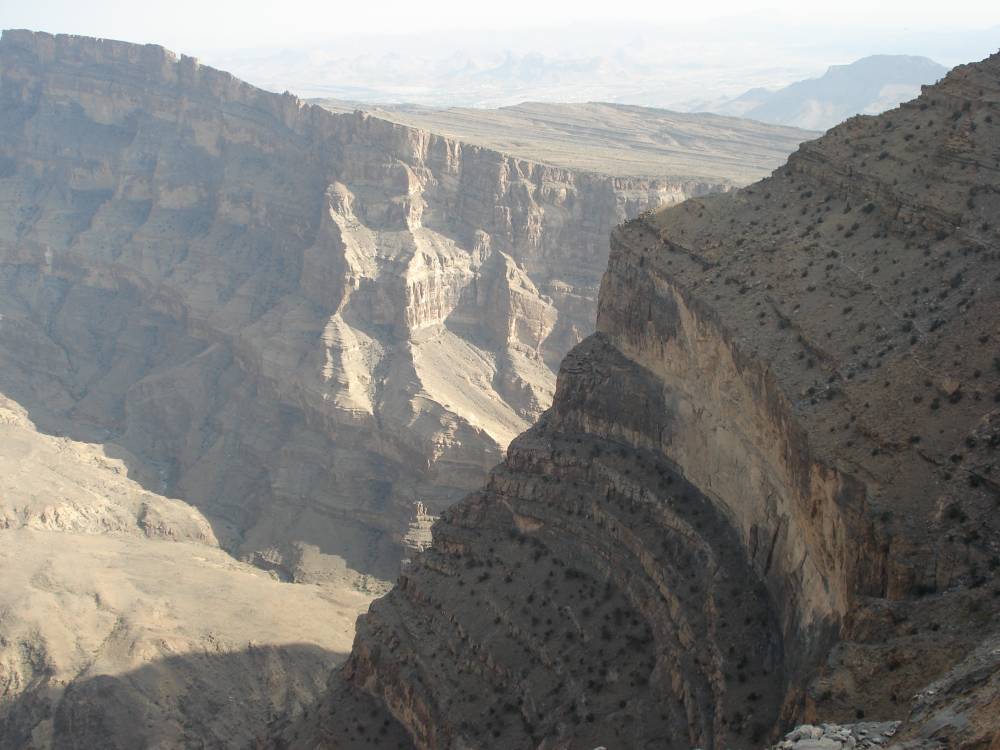
It is hot here. I mean, it is HOT. I know, Korea gets hot and humid in the summer months, but Oman is a desert. A desert that is still really, really hot at night. When I first stepped off the plane here last August, the heat was like a punch in the face. I got sunburn just walking to the terminal from the tarmac. It took a couple of months for the temperature to drop a little bit and for things to cool down to a more comfortable temperature. From November until March, the average temperature is around 28 degrees Celsius (82 F), which isn't too bad. But from April until October, you will experience temperatures as high as 54 degrees Celsius (129 F). Bring sun block and light clothing, and drink lots of water. Don’t drink the tap water, as I am not sure how clean it is, and even if you did want to drink it, in the summer you only have two temperatures of tap water to choose from: Very warm and hot. Sunglasses are a necessity as it only rains about 5 times a year here, and it is rarely cloudy. Sunglasses also keep the dust out of your eyes. Due to the lack of rainfall, it is a very, very, very dusty country. In the summer, the ground is baked to a rock-hard surface. It is very hard on shoes, so you will want durable footwear. In my first weeks here, I had a pair of dress shoes melt. Literally melt. In the rainy months in the spring, it floods at least once because the ground cannot absorb water. By far, the hottest months are in the summer. You must have air conditioning or you will die. Well, maybe not die, but you will wish you did. It is highly recommended that you just get out of the country for the summer and head someplace a little cooler for your summer break. To cool off here in the Sultanate, there is no shortage of beautiful beaches and resorts with swimming pools, but the water will always be warm. And the sun is relentless, so you will burn. The winter months are actually quite pleasant, and Oman even sees snow occasionally up in the mountains, like Jebel Shams.  The summers, however, are absolutely scorching.

[caption id="attachment_1865" align="alignnone" width="300"]Jebel Shams: You will never find a more wretched hive of scum and villainy... No, it's really quite striking. Jebel Shams: You will never find a more wretched hive of scum and villainy... No, it's really quite striking.[/caption]

6. Religion

I will let you in on a well-kept secret: Oman is an Islamic country. Most of the population is Muslim, and there are mosques everywhere. Korea, from what I recall, is largely Christian with quite a bit of Buddhism sprinkled in to make it interesting. Before you get the wrong idea and go all Fox News in your head, Islam is actually not the terror that some might suspect – certainly not here in Oman, anyway. In fact, Sultan Qaboos has even donated some of his own land holdings to other religions so that they can build churches. Many Westerners here attend Christian services in Muscat, and there are many services to choose from. Services are performed in English, Arabic, Malayalam, Spanish, Tamil, Hindi, and several other languages. Unlike Saudi Arabia, you can be openly Christian in Oman and sport whatever symbols you like. However, it is recommended that you give all religions the respect they deserve. If you are of the hard-core Atheist set and you enjoy denouncing religions, Oman may not be a good fit for you. Religious tolerance is widely practiced here, but debate about the existence of God will make you some enemies, and it may even land you in jail depending on how far you push your argument. The Islamic tradition is very much predominant, and is, of course, a very big part of the local culture in every respect.

[caption id="attachment_1866" align="alignnone" width="300"]Rustaq Mosque Rustaq Mosque[/caption]

Many of the mosques here are very beautiful, and so is the religion that built them if you look at it with an open mind. Omanis are some of the kindest people you will meet, a statement which brings me to my next point.

5. Politeness

As many expats already know, it's always the little things that stand out when you are traveling from country to country. When I was in Korea, I often heard people talking about – and experienced first-hand – the bali-bali (hurry, hurry!) culture of Korea. Koreans move very fast and everyone is in a rush, as opposed to the Omanis, who do everything (except drive) very slowly. Whereas the key phrase in Korea is bali-bali, in Oman it is shway-shway, which means "in time" or "gradually; eventually." Or, if you want to really hit the nail on the head, try enshallah, which means "God willing." Use it in conversations like this:

A: Will we get into Muscat by 6:00?

B: Enshallah.

The Omanis are much more laid back and in no particular hurry, which makes dealing with them in crowded shopping malls a treat. If you have ever been pushed out of the way trying to get on a bus, subway, elevator, or escalator in Korea, then this Omani attitude will be one of the first things you notice when you arrive here. Omanis will step back, smile, and gesture "Please, you first" in these situations. After six years in Korea, it kind of caught me off guard.

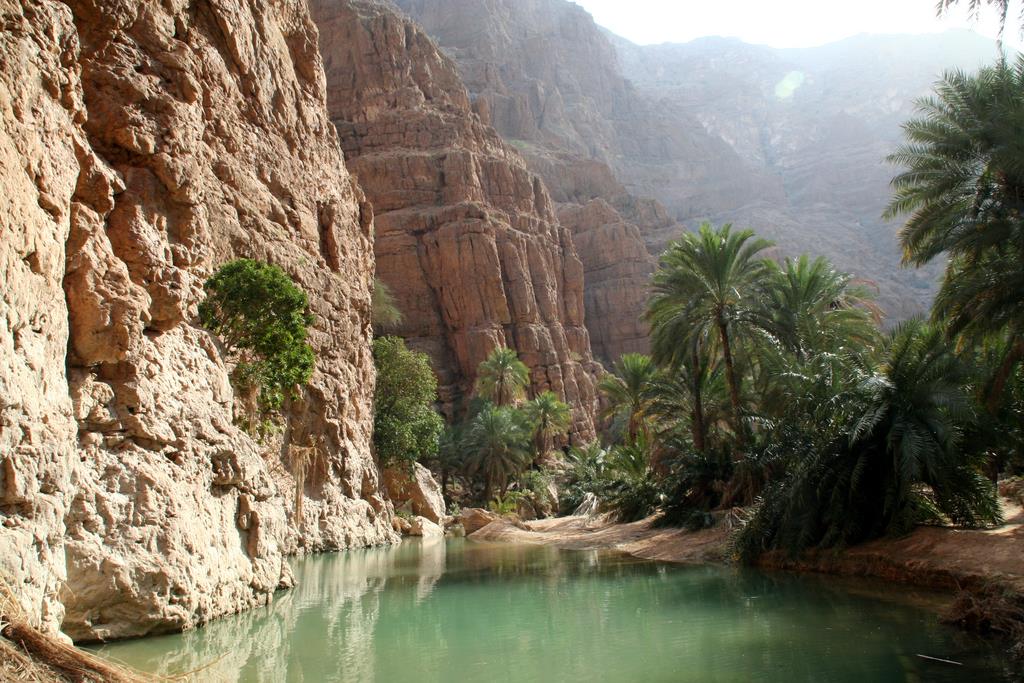
[caption id="attachment_1867" align="alignnone" width="300"]A wadi (natural pool) A wadi (natural pool)[/caption]

4. Drinking Culture

As I have mentioned in previous articles, alcohol is legal in Oman despite the Islamic prohibition of spirits. Even some of the Omanis enjoy taking a drink, but do not ask them if you can take their picture when they are imbibing as most of them like to keep it on the D.L. When in Oman – or any Muslim culture – if you have a predilection for alcohol, keep your predilection quiet. Whereas public intoxication is widely seen in Korea, it is heavily frowned upon in the Middle East. In Oman, it can get you a 48 hour layover in a jail cell, and it can cost you your job. Nonetheless, you can go to any number of hotels and pubs in Oman – usually around Muscat or Sohar – and drink to your heart's content. Just make sure you have a reliable way home that will draw little attention to you in public. As always, NEVER drive if you have been drinking. Drunken driving is treated as a serious crime here in Oman just as it should be anywhere else. If you don’t trust yourself to keep your composure in public, you can always get a liquor license, which will allow you to buy a certain amount of alcohol at discreetly located "catering shops" for personal use at home. In Korea, drinking together is often seen as a trust-building exercise, as you never really know a person until you've seen them inebriated. Here in Oman, they don't share that perspective as they tend to believe a drunken person is not the actual person, but a person possessed. Drinking is mostly left to the tourists here, but there is no reason a person living in Oman can't blow off some steam as well – just keep your wits about you and never forget where you are. You may end up with some hefty fines at the least, and according to Omani law, you cannot leave the country if you owe money to the local businesses or government. That is a good thing to keep in mind as well.

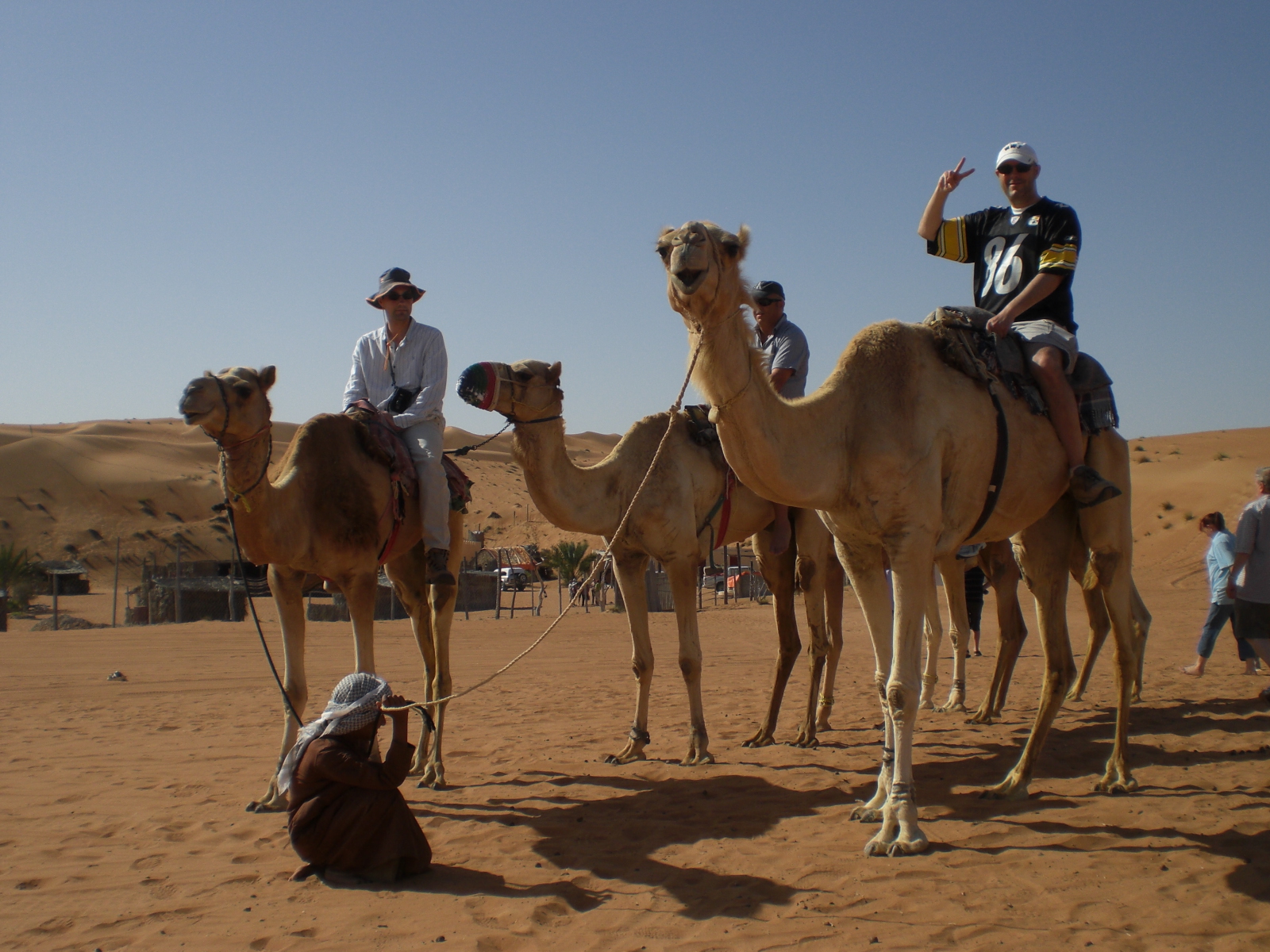
[caption id="attachment_1871" align="alignnone" width="300"]Camel rides. Camel rides.[/caption]

3. Dating

This is an interesting topic in any culture. In Korea, there is a lot of cross-cultural dating going on, and more power to it. Here in Oman, it is a different story. Women can date anyone they choose, but they may have to expect a certain amount of disapproval from an Omani man's family – and this could include his wives. Polygamy is A-OK here, so even if a guy tells you he is single, he may just mean that he is available, and you may be eligible to be his first, second, third, or fourth wife. Non-Muslim men, however, are not allowed to date Omani women. The women here are very heavily protected. They enjoy much more freedom than women in other Islamic countries, but they are not allowed to see a man without their family's permission, and not without an escort. There are a lot of Filipino and Chinese women here, but you will certainly not have the options you may have had in other countries. Before I came here, I asked a friend of mine who was already here, "Will I have to live like a monk while I am there?" His answer: "Yes." While this answer is much more one-sided than the actual truth, it is really not far from the mark. There is definitely a shortage of single women here. It is a good country to come to if you are married and like extremely hot weather. Still, there are more and more female expats each year, so don't give up all hope. Getting back to the women's perspective, while you will have more opportunities than your male counterparts to meet someone, there is still real reason for caution. Men here tend to come on very strongly when they encounter a single female – sometimes more strongly than anyone would care to discuss. In short, it is always a good idea to travel with a friend.

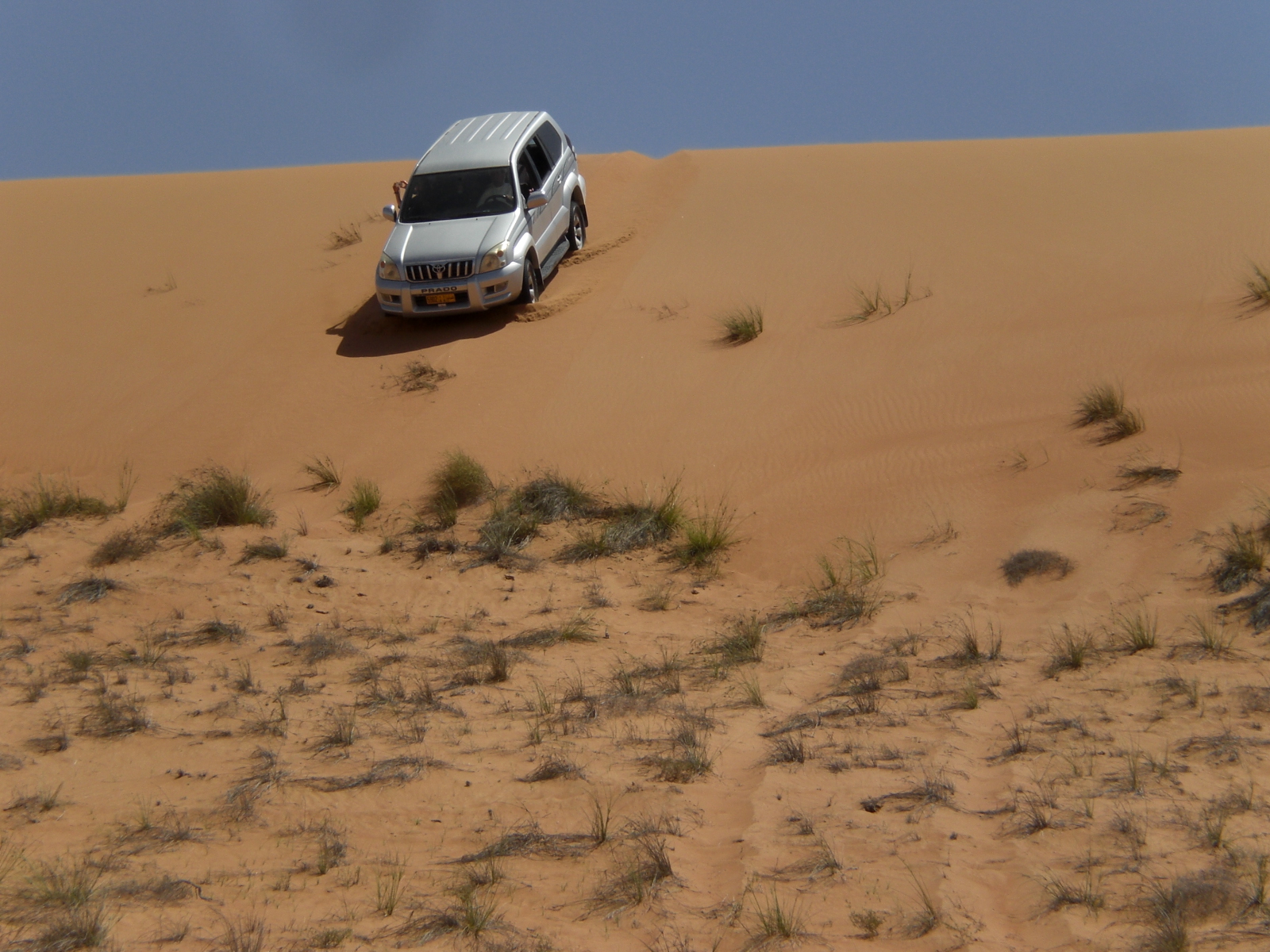
[caption id="attachment_1868" align="alignnone" width="300"]Dune-bashing in a 4x4 Dune-bashing in a 4x4[/caption]

2. Activities

Aside from the common weekend activity shared by both Korea and Oman – drinking – there is a lot more to both cultures than just that. In Korea, there are concerts, ski resorts, beaches, boat rides, camping (or as some Koreans like to call it, glamping, or glamorous camping), movies, etc. Oman is no different, and there are a lot of spectacularly fun activities you can do here that you may not get to do in other countries. Oman has miles and miles of beautiful beaches, 5-star resorts that offer everything from boat tours to snorkeling and scuba diving, spectacular mountains for hiking, thousand-year-old forts for exploring, spectacular caves for spelunking, and wadis (natural pools in the mountains) for camping. You can even attend camel races, or go on desert excursions and ride the camels yourself. Here's a funny fact: At the camel races, no one actually rides the camels. They have robots – little machines that are attached to the saddle and hit the camel with a riding crop, and the speed is adjusted by remote control. Picture that in your mind's eye.  It looks like MST3k's Tom Servo is the jockey.

[caption id="attachment_1869" align="alignnone" width="300"]Robot camel jockey Robot camel jockey[/caption]

The majority of activities in Oman take place outdoors, so it is good to remember the heat in the summer months and to dress accordingly and be prepared with lots of extra water and sunblock. The ocean here is very pristine, and pristine oceans are becoming a thing of the past. In Korea, the preferred local vacation spot is Jeju-do. In Oman, it is Salalah, which is to the south near the Yemeni border. Salalah is apparently nice in the summer months, as it remains very green. However, if you prefer something a bit more automotive, try dune-bashing or the popular Omani sport of "drifting."

http://youtu.be/cvCpBr8zxF8

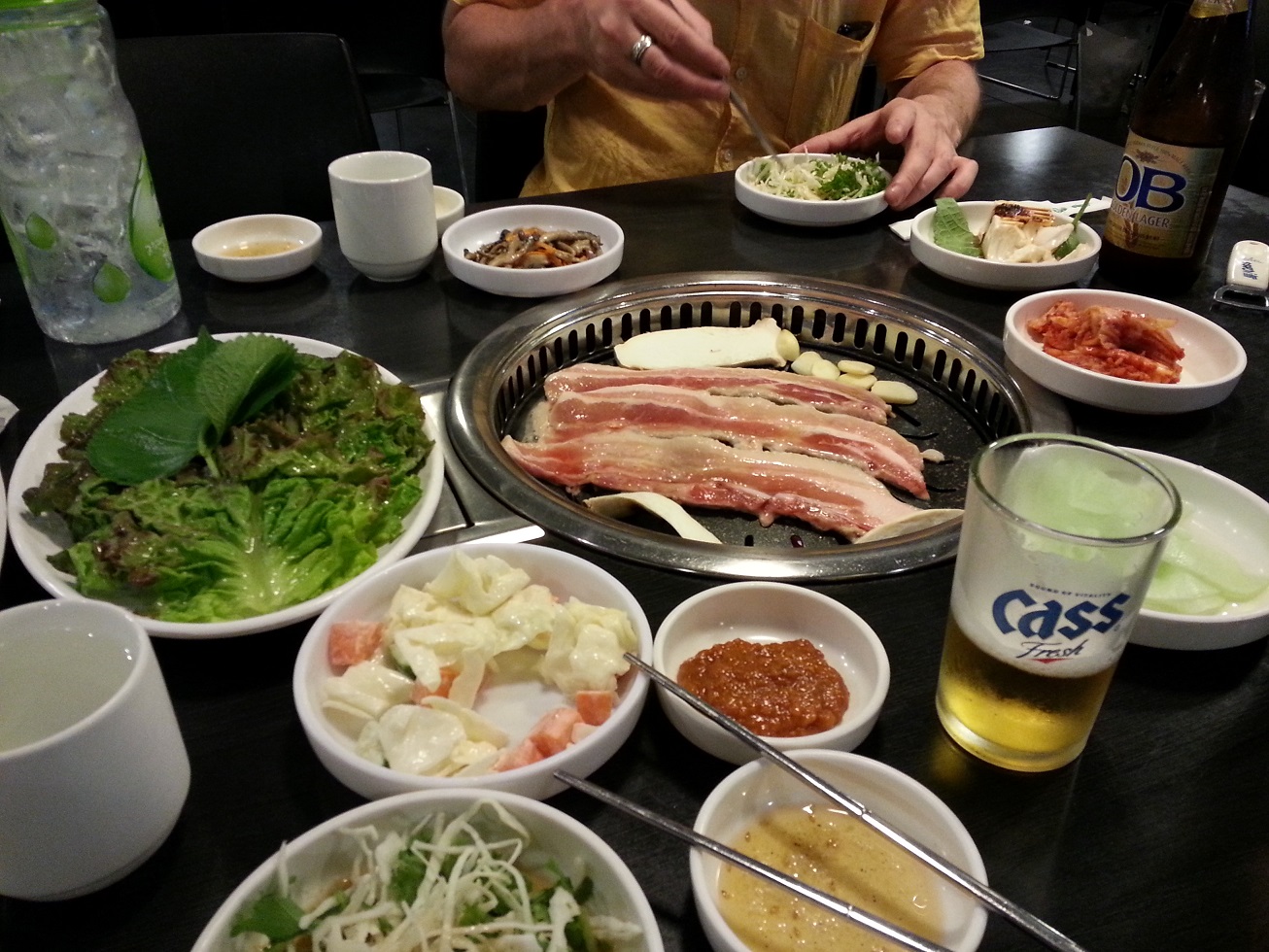
  1. Food


This last one kills me, because I must say that I really miss the cuisine in Korea. When I was in Nepal a little while ago, I made a point of going to a few Korean restaurants. I have found one Korean restaurant here in Oman, and it wasn't very good. When comparing Oman and Korea, Korea has definitely won the food category for me. I miss galbi and samgyupsal, the all-you-can-eat meat places, manduguk, kalguksu, doenjang jigae . . . the list goes on.  Also in Korea, there is no shortage of western-style foods, including many great Italian and Mexican restaurants. In this regard, Oman simply cannot hold a candle to Korea. Larger cities like Muscat and Sohar have a lot of western-style restaurants, including T.G.I. Friday's, Chili's, Subway, Pizza Hut, and, of course, McDonald's and Burger King. In fact, the version of Pizza Hut that Oman has is much more akin to the American version, which I like, but generally speaking, I prefer the food selections of Korea. Even the grocery stores in Korea have a better selection. Although you can get good food in Muscat, when you live out in the rural areas of Oman as I do now, there really isn't anything good to eat. You get sick of the limited selection within a month as you can only take so much curry, chicken and rice. All of the food at the grocery store is frozen and heavily processed, although the produce is good if you get there after a fresh delivery. The food out here on the perimeters is generally not as healthy for you as the food you can get in Muscat, and it is certainly nowhere near the variety and deliciousness that you can get in Korea. In Oman, T.G.I. Friday’s is the closest you will come to a four-star restaurant, at least as far as I have seen.

[caption id="attachment_1870" align="alignnone" width="300"]I miss this. I miss this.[/caption]

I hope this lengthy article has helped to illustrate some key differences in the lifestyles of these two popular expat destinations. As I promised, this is the last article about Oman I plan to write. If you have any other questions, you may contact me directly at this site.

Monday, May 12, 2014

6 Things to do in Macau

My friend and I went abroad to finally see what the Macau hype was all about. It’s actually more fun than I had imagined. However, our low budget restricted us to a few brief but exciting outings. Casinos lined up against each other, great food, and beautiful women (some were working women) are just some of the sights you take in as soon as you set foot on the island. Even if your pockets aren't that deep, there are still many things to do.  We stayed there for about three to four days, and here are the things you must do while you’re in Macau.

  1. Macau Tower
    20140504_125355
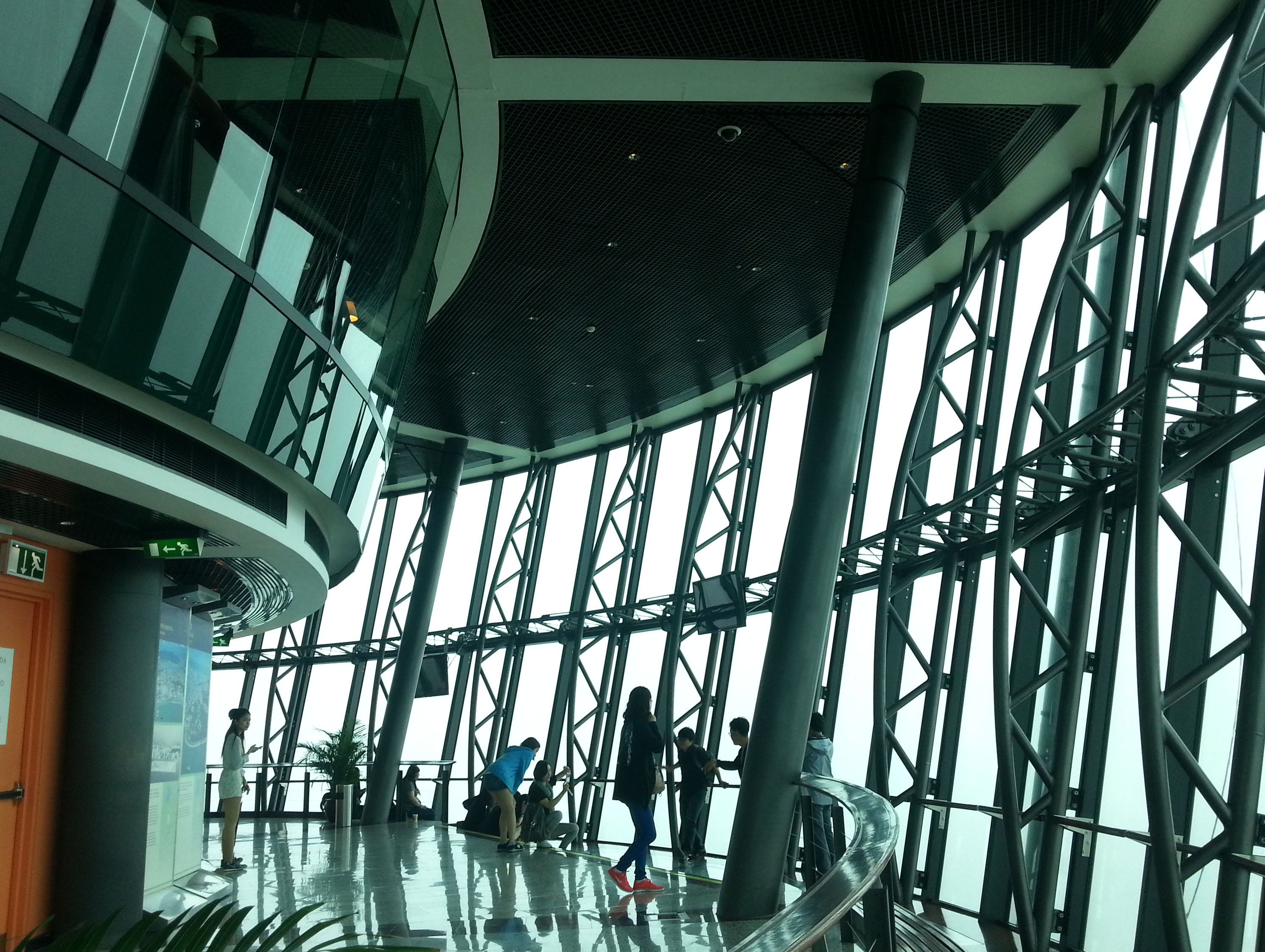
    The Macau stands 338 meters tall and is located right at the foot of the bridge that connects the northern and southern part of Macau (Macau is divided into two main islands). The view from the observation deck is breathtaking, although fog hazed our vision throughout our time there. Parts of the deck are made with glass so you can peer straight down to the ground floor (which is quite disturbing for people like me who are afraid of heights). From the observation deck, you can take the elevator up to the upper observation deck, where the roof is semi-open. The entire experience up there freaked me out because of the high altitude, but I soldiered on, taking pictures as quickly as possible.
    macau_tower_crop
    There are two extreme attractions at the Macau Tower: the Sky Jump and the Sky Walk.
    As you can probably guess, the Sky Jump means bungee jumping from the tower. The Sky Walk is walking outside on the ledges of the main tower. Oh don’t worry, you can’t fall off and plummet to your death because you’re roped to the tower. I saw the promotion videos for the attractions and it seemed fun, but everything is ten, nay, hundred times scarier when you don’t have the safety of the ground beneath your feet.

  2. Poker
    Though there are a lot of casinos in Macau, gambling is quite expensive unless you’re willing to bet 500 Hong Kong Dollars (roughly 70 USD) per hand. Thus, I stuck to Texas Hold’em at the Live! Poker Room in the City of Dreams. The minimum buy-in was 2000 HKD for the 25-50 game. Poker isn’t too popular in Macau because it doesn't generate as much revenue as the Baccarat tables. However, because the poker games are cash games, you can just have fun playing against other players, and you can even participate in the tournament game (2000 HKD buy-in). Like I said before, if you have the money, go nuts on the other casino games, but if you’re not really looking to gamble a lot but want to get in on some casino action, poker is your safest bet. Oh, did I mention you don’t have to tip the dealer?

  3. The Venetian
    20140506_123412
    The Venetian Macau is the largest casino in the world. That is no boast. I've been to Vegas and the Venetian there is smaller than the one in Macau. My friend and I lost our way more than a couple of times while we were sightseeing there. The artwork at this massive casino is very intricate and the architecture jumps out at you. It really makes you think about the other casinos on the Cotai Strip (kind of like the Vegas strip) and how they fade when compared to the Venetian.
    20140505_004201
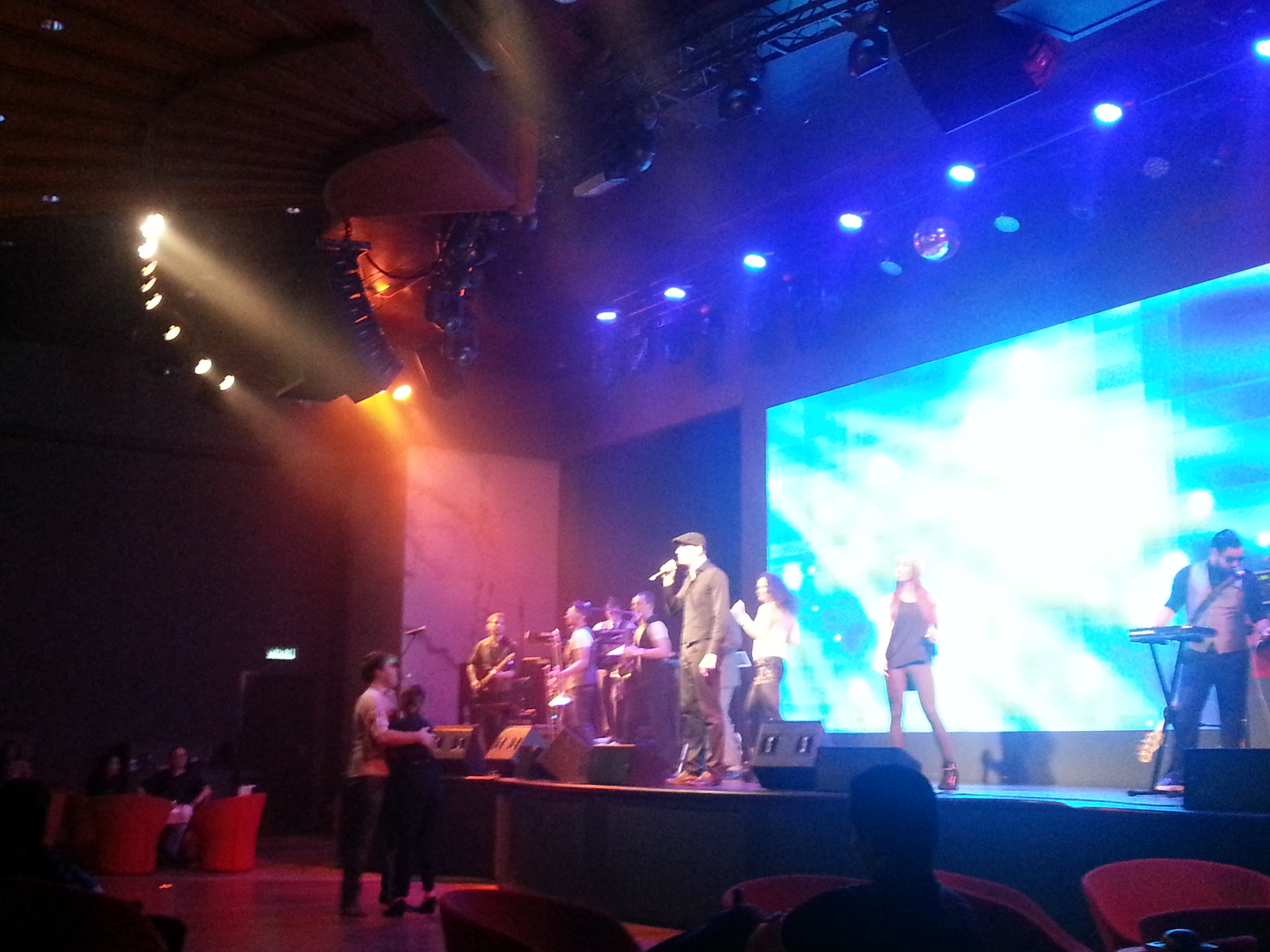
    The Bellini Lounge in the Venetian was amazing. The bar features live music and the waitresses are ready to cater to your every needs. Plus, it’s one of the few bars where smokers can enjoy their drinks and smoke simultaneously (most bars are non-smoking).

  4. House of Dancing Water
    20140504_205621
    This is a MUST. Make this one of your top priorities when you get to Macau. The show is so popular tickets sell out quickly. I reserved my tickets a month prior to my arrival.
    20140504_210205
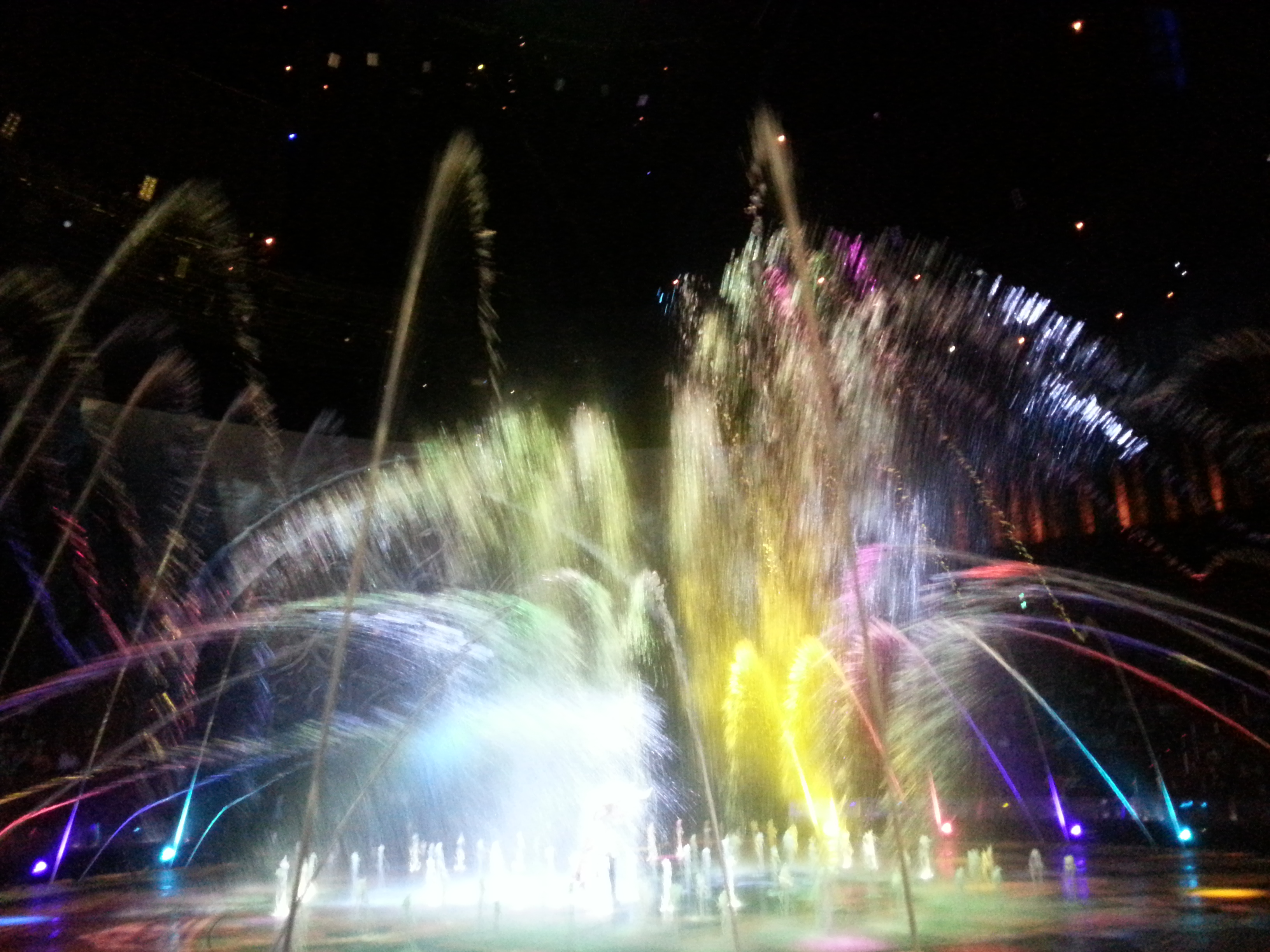
    Acrobats, tons and tons of water, dangerous stunts, motorbikes – need I say more? Ticket prices range from 700 – 2000 HKD, depending on your seats. If you sit close enough to the stage, you’re in danger of getting splashed with water – multiple times. But don’t worry, the staff provides you with towels well before the show so that you can keep dry (but where’s the fun without a bit of watery risks?). Also, as long as you’re not videotaping or using flash photography, you can take as many pictures as you want (unlike shows in Vegas). I won’t ruin the story for you, but it keeps you occupied and really has you on the edge of your seats. Did I mention the amazing acrobatic stunts? Imagine cirque du soleil but with a huge pool of water and motocross.

  5. Senado Square / Ruins of St. Paul
    20140504_143941

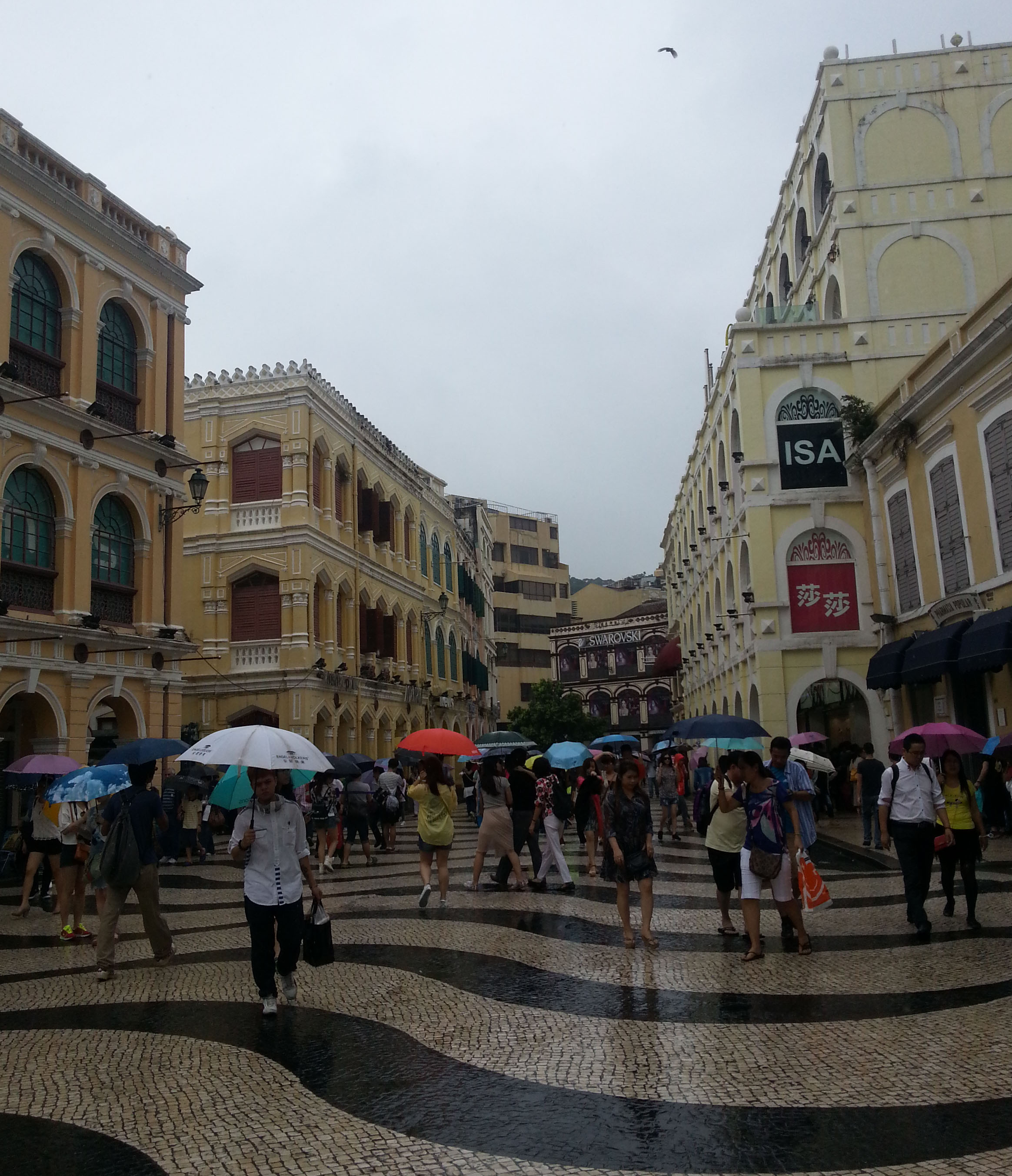
    Welcome to the shopping district of Macau. The entire area, decked out in beautiful Portuguese-style buildings, is filled with places to go shopping. At the forefront are modern shops you expect to see in any major shopping district around the world. However, take to the back alleyways and you find yourself immersed with traditional Macau shops. It felt kind of like Seoul’s Myeongdong district. As you explore and go eye-shopping, you’ll easily wind up at the infamous Ruins of St. Paul, which is a staple landmark of Macau.
    20140504_155438
    All that stands of the once divine cathedral is nothing but the southern stone façade. The cathedral was once the biggest of its kind in Asia during the 17th century. Unfortunately, a fire in the 19th century brought the entire structure to what it is now. Still, it’s a true mark of Macau’s religious history, and you can’t help wonder about the local history and how it shaped Macau as it is today.

  6. Egg Tarts
    20140506_121409

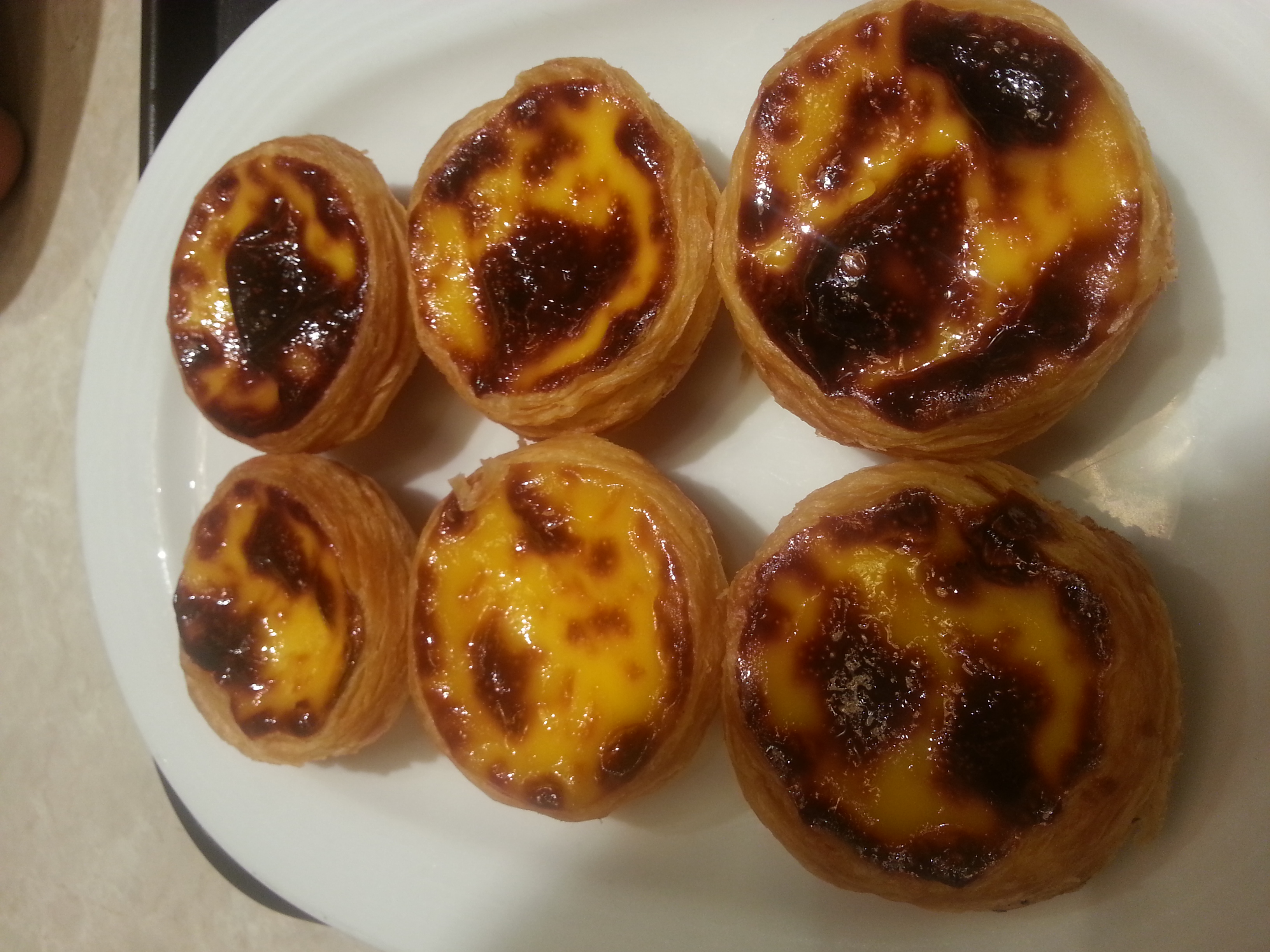
    No trip to Macau is complete without tasting these small delectable pastries. The pastry is originally from Portugal, but Macau bakers have found an outstanding recipe to make them truly stand out. There are many bakeries in Macau that boast of having the best egg tarts, but because of my tight schedule (as well as insufficient funds), I had time only to try one bakery. Lord Stow’s Bakery & Café had delicious egg tarts. There are two shops in Macau – one at the Venetian and the other in Coloane. Because we were hopelessly lost, we had to settle for the one at the Venetian. At nine HKD per tart, the investment is more than worth it. Whatever you do, be sure to make time for authentic Macau egg tarts.20140506_121738


I wish I could’ve explored Macau a bit more, but thanks to my lavish spending on booze, I was limited to a few select sites. If you’re interested in enjoying the gambling scene, Macau is the biggest place in Asia. Even if gambling is not your forte, there are many things to see and experience while you’re there. In terms of partying, Macau may be a bit dull compared to its Western counterpart. But that’s not to say you won’t enjoy a few drinks with your buddies while you’re there. Macau is definitely one place you will want to visit if you want to explore Asia.

Monday, April 21, 2014

5 Things to know about Koreans

What comes to mind when you think of Koreans? Kimchi? Soju? Or the Youtube sensation, Psy? Those are pretty famous staples of Korea, but what about the Korean people? Here are a few traits of Koreans you should know if you plan to interact with them.

  1. Hasty
    Whatever you’re doing – work, studying, or even drinking – do it fast. That’s the general rule for Koreans.  If you had a Korean mother like me, the words, “빨리 빨리 (Pfali Pfali; quickly, quickly)” should be stuck in your head. No matter the task, Koreans (especially the older generation) want things done fast. Of course, doing things correctly is also important, but in Korea, it’s do it fast, do it right. That’s why you see commuters rush onto the subway train or bus while disregarding everyone else. If you’re waiting for the bus or metro during the morning or evening rush, please stay away from the doors. Even the Almighty himself could not save you if you come between a Korean and an empty seat on the metro. There’s an old expression often used in the military: “hurry up and wait.” Soldiers mutter the phrase when they’re trying to point out the irony behind the statement. However, in Korea, the irony is lost on its people.

    [caption id="attachment_1542" align="aligncenter" width="682"]Many taxis race through the streets of Korea Many taxis race through the streets of Korea[/caption]

    If a shop is crowded or jam packed with customers lined outside, the rationale of Koreans is to hurry up and wait. Once in line, the complaining begins. If you’ve ever been in line with a Korean 아줌마 (ahjuma; elder lady), I’m sure you’ll have noticed how much they fidget, hoping to get a glimpse at how much longer they have to wait. Koreans need to get to places quickly, which is why you’ll often see reckless driving.
    Get into a taxi, I dare you. Taxi drivers pay no heed to speed signs or even traffic lights. For many Korean drivers, green means go, yellow means go faster, and red means stop – maybe. As Koreans are always in a hurry, their emotions run high as well.

  2. 2.      Hot-tempered
    Koreans flare up easily. If they feel offended, their first reaction is to get angry. Never mind who wronged whom. Both parties yell at one another, and there appears to be no end to it. Then just as suddenly, it’s over. It’s one of the most distinguished characteristics of Koreans. In Korean, it is called 냄비근성 (naembi geunsung; quick to heat up but quick to lose steam).

    [caption id="attachment_1543" align="aligncenter" width="399"]People protest against the North Korean regime. People protest against the North Korean regime.[/caption]
    When a controversy erupts in Korea, the majority of people don’t waste time criticizing the parties involved. Korean netizens assiduously point blame at this and that. However, after about a week or two, no one cares. Someone in the government took bribes from someone? Criticism pours in throughout the nation about how corrupt Korean political officials are. After a brief period of time, Koreans will move onto a different issue. Thus, the popular saying, 냄비근성.


  3. Competitive
    At a very early age, parents raise their children to be the best. This is more true in Korea, where parents enroll their young toddlers in academies and institutions to learn English, math, and other various academic subjects. They are pitted against one another to try and outdo the other. Once they get into college, the real competition begins.

    [caption id="attachment_1544" align="aligncenter" width="450"]Job seekers prepare for an exam at a cram school. Korea Times Photo by Kim Ju-young Job seekers prepare for an exam at a cram school.
    Korea Times Photo by Kim Ju-young[/caption]

    The courses are set so that only a certain percentage of the students get A’s, B’s, C’s, etc. Nowadays, most Korean college students focus so much on raising their GPAs. On top of that, they study relentlessly to achieve other qualifications or certifications that will help their resume stand out more. Why you ask? They want to work for big corporations like Samsung. Even if they aren’t recruited right after graduation, they will wait another year or so to get into places they set their eyes on. Thus, there’s a labor shortage for SMEs (small-medium enterprises) at the moment. Success is everything for Koreans, and the most commonly thought of success is money. With the power of money, they can buy luxury goods and other valuables they can show off to other people. Koreans like to show-off, which is why they are so concerned with…

  4. Appearance
    Korea is the place to go for cosmetic surgery. According to International Society of Aesthetic Plastic Surgery, South Korea had the highest rate of cosmetic plastic surgery. Many Korean women, along with some men, go under the knife to improve their facial features. So many people do it that it has become the norm to have double eyelid surgery or rhinoplasty (nose job). Appearance is crucial in Korea, and I’m not talking about just physical traits.

    [caption id="attachment_1545" align="aligncenter" width="600"]Cosmetic surgery clinics advertise through before-and-after pictures. Cosmetic surgery clinics advertise through before-and-after pictures.[/caption]
    Unfortunately, Koreans are quick to judge. They form opinions on others based on their jobs and occupations. Hence, many people will hold you in high regard if you attend a prestigious university or work for a large corporation. That’s not to say they will look down on you if you don’t have a fancy job or degree. It just means they’ll most likely choose not to associate with you. However, there is one thing that brings all Koreans together. That would be…


  5. Rice
    Rice is the basis of most Korean food. It’s hard to find any Korean food without those white sticky grains grouped together in a bowl. Sure, there are some who don’t eat rice, but for Koreans, it’s a necessity. In most, if not all, restaurants that serve meat such as 삼겹살 (samgeubsal; pork) or 갈비 (galbi; marinated pork or beef), customers have an option of fried rice after their entrée. One food Koreans really enjoy is the spicy ricecakes, or 떡볶이 (tteokboki). Some restaurants cook the ricecakes right in front of you. After the meal, most customers choose to mix rice with the leftover ricecake sauce. This goes to show how much Koreans adore rice. Even outside Korea, most Koreans can’t live without rice.

    [caption id="attachment_1546" align="aligncenter" width="640"]Fried rice with leftover ricecake sauce Fried rice with leftover ricecake sauce[/caption]
    I remember when my sister and I would leap in joy when our family would go to McDonalds or Burger King. For us, it was a rare treat, and we savored every bite. However, my parents would go home and have rice instead. From the many accounts of Koreans who had lived abroad, they could not go long without rice. For Koreans, rice is not simply food. Rice runs in their blood.


There are more characteristics of the Korean people, but these are just the basic five you should know. Despite how they may look on the surface, always remember they are a proud race and it would be in your best interest to keep that in mind. You just may learn a thing or two from them.

Tuesday, April 15, 2014

Drink up! (The drinking culture in Asia)

Beer, vodka, soju, sake, whiskey. Whichever your preference, alcohol is a great way to unite people. Drinking has become so widespread that there are customs and cultures based on it.

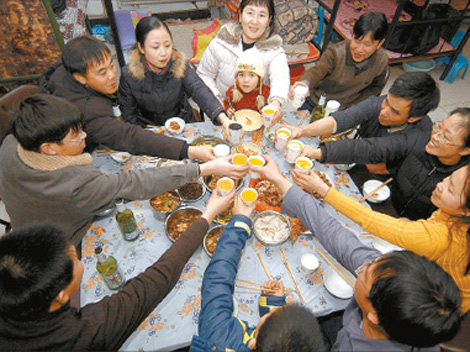
Drinking cultures vary in each country. If you’re planning to drink in Korea, China, or Japan, here are some tips to get you started on your inebriation.


China


The preferred choice of alcohol there is baijiu. Baijiu is high proof, and because drinking in China has been categorized as masculine, most men tend to drink it. Though there are times when they tend to drink beer or wine, nothing shows your masculinity like baijiu. However, it’s not always about finishing your shot of baijiu before anyone else. There’s an etiquette to drinking when you find yourself sharing drinks with business associates, be mindful of how you behave.

chinese

When someone toasts, it is expected of you to finish your cup, or ganbei. When people do toast, be sure to clink your glass against everyone’s. If the person you’re toasting against is your superior, be sure to bring your glass lower than theirs when you clink glasses. But beware, if you clink glasses, it means you want to go bottoms up! If you’re not sure how to work yourself into the Chinese drinking culture, just be sure to use both hands when offering, receiving, or drinking your beverage.

Japan


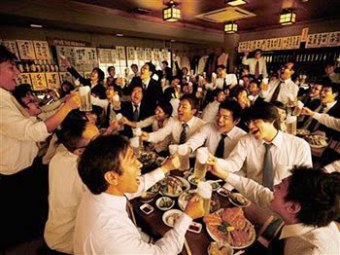
As most people may have heard, sake is popular in Japan. However, the most popular drink is actually beer. With breweries like Asahi, Kirin, and Sapporo, you’ll see restaurants, bars, and izakayas (Japanese pub) stocked and ready to serve you beer. But if you’re looking for something more traditional, most izakayas are ready to present you with sake, which can be drunk either cold or hot. It may not sound appealing, but certain sakes taste much better when served hot.

japanese-drink

If you find yourself sharing drinks with Japanese businessmen, make sure you NEVER pour your own glass. Something to keep in mind is you should always wait for other people to offer you a fill. It is custom in Japan to never leave a glass or cup empty, so if you happen to see someone in need of a refill, offer to pour. Some may refuse to show modesty, but if pressure is applied, most will accept your offer. In turn, they will insist on refilling your glass as well, so be sure to leave your glass full if you don’t plan to drink anymore.

Korea


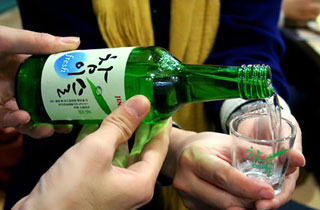
The most sought out alcoholic beverage in Korea is soju. This traditional Korean drink has sold twice more than any other spirit or liquor worldwide. In Korea, the drink is found almost anywhere – from your local convenience stores to top-notch Korean restaurants. One of the best things about soju is that it’s relatively cheap and it’ll get you buzzed (or heavily intoxicated, depending on your consumption). What’s even more popular than soju is somaek (소맥; soju mixed with beer). The golden ratio (황금 비율) of soju to beer is 3:7. Some will choose to add more or less soju, but you can’t go wrong with 3:7.

soju

Wherever you go to drink, be sure to always toast the first glass or shot and finish it, too. Depending on whom you’re dinking with, you may have to finish your glass every time your counterpart does. In corporate Korea, your superiors will want to keep pouring you drinks and it is considered disrespectful if you don’t empty your glass. Also, be sure to use both hands when either pouring or receiving drinks (especially if the counterpart is your superior).

Despite where you are, if you're out drinking, always be sure to keep the customs of the host country. Being able to blend in with that country's drinking culture will prove more fun and interactive. Just be sure to drink responsibly. Now, drink up!

Friday, April 4, 2014

Enjoy Hot, Spicy Foods

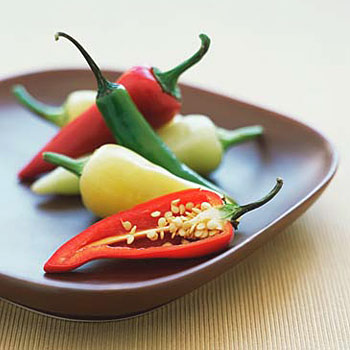
Spices have played a vital role in the culinary arts throughout history. People from all over the world would travel to and explore new and exotic lands just to find new spices. Spices were once as tools for trade, have been the middle man of wars, and aided in famous poetry. Spices were also once used for embalming purposes. Spices are often dried seeds, roots, sometimes fruits, and vegetables. They are most often used for flavoring, cooking, and even preserving meats and vegetables. They can be applied to various dishes as powders or purees, ingested fresh and whole, or smoked and preserved.

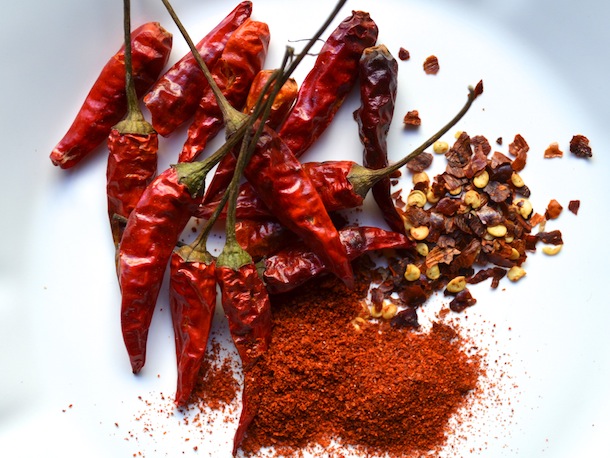
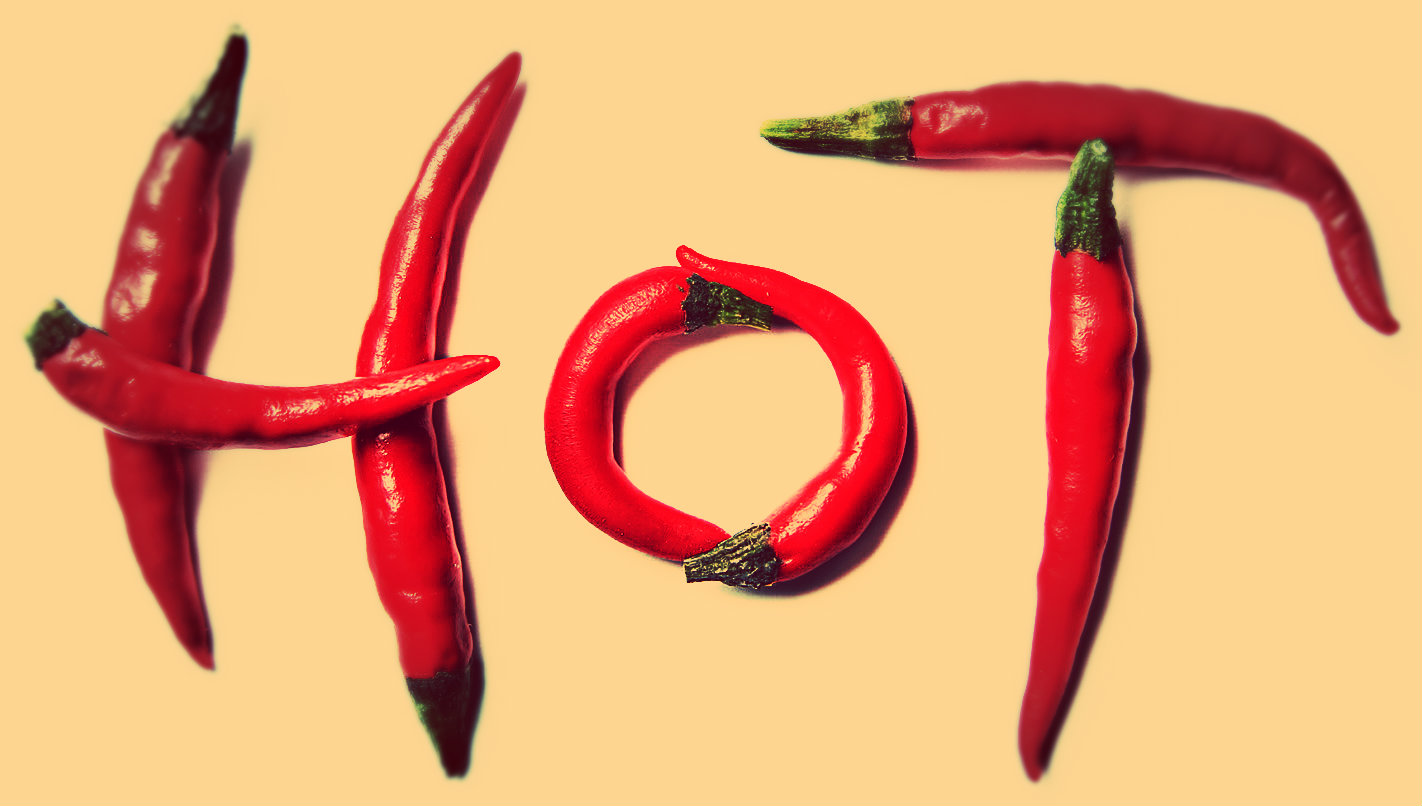
hot - chilies

Historical and Modern Uses [of Various Spices]:

Currency in Trades:
This sometimes would spark wars between different countries and governments.


Reasons for Exploration:
The majority of spices are grown near the equator, in warmer climates which also helps to fights infectious diseases.


Embalming Process:
Used in Ancient Egypt


Medicinal Purposes:
For instance, the wonder of the Miracle Nutmeg that aided thousands during the London plague of 1603. Over 35,000 were infected.  Wars between the Portuguese and Dutch begun, and then between the Dutch and English, just to have some Miracle Nutmeg. It is believed in Modern times that the new Miracle spice is Turmeric. Turmeric has been helpful in the prevention and treatment for cancerous and leukemic cells.


Religious or Ritual Purposes:
Spices held connections or affiliations with different Gods of all cultures throughout history and even today. It is still believed in some cultures that with the spices and incense, that one will have a safer travel into the afterlife.


Cosmetic or perfume:
Spices have strong scents and perfumes and have been used in historical and modern times.


Antibiotics:
Many spices contain Antimicrobial properties.


Prevention of Spoiling or Rotting:
Spices help prevent meat or vegetables from spoiling or rotting


Aphrodisiac:
Spices and herbs such as Cinnamon and Rosemary are natural aphrodisiacs that aid in fertility.


Nutrition:
While Paprika has vitamin A, many other spices contain essential minerals such as iron, magnesium, and calcium which are important for the human body to have.


Health and Dieting:
Spices are not high in fats or calories, and are often used in moderation. The hotter the spice will help the blood flow increase and cardiovascular system become stronger. They can aid in weight loss by jacking up your metabolism, and helping to burn calories. Spices also help lower LDL, or bad cholesterol levels in your heart and fights inflammations in the body. Hot-Spices containing capsaicin will help to break up mucus in your respiratory system and help you get over a cold faster.


Boosts Production of Feel-Good Hormones:
Releasing serotonin in your body helps ease stress and depression.


Hangovers:
Hot and spicy foods and soups can really come in handy for those who are experiencing a hangover. Not only will the heat distract you from your headache, but you’re blood flow and sugar levels will increase, and you may even sweat out some of the hangover toxins.


hot - spice


The majority of the world’s spices are found or grown and then exported from India. Many of these spices, plants, and peppers were brought to India from countries worldwide. India is great hot-spot to grow spices, plants, and peppers because of its geographic location. Warmer climates can produce hotter chili peppers and are most enjoyed by people who also live in warmer climates. Most of the world’s hottest and spicier chili peppers are grown in India and other South Asian countries like Bangladesh. These outrageously hot chili peppers include the Trinidad Scorpion Butch T pepper, Bhut Jolokia or “Ghost” Chili pepper, the Infinity Chile, the Habanero pepper, and the scorching Trinidad Moruga Scorpion.


The Scoville Scale:
This scale tests the unit measurement of pungency or spicy heat of chili peppers. It is often seen as SHU, (Scoville Heat Units).


hot - scale

Feeling Hungry and Adventurous…


Here are just some examples of Foods from Around the World that contain either a lot of Spices or are considered as EXTREMELY Hot-and-Spicy:


South Asia:

India – Vindaloo Pork:
hot - vindaloo

Brought to India by the Portuguese, this dish is made up of pork that is marinated in red wine, garlic, and chili peppers. The recipe has changed a bit through out time and now serves as a very spicy curry often served with naan bread.


Polynesian SE Asia:

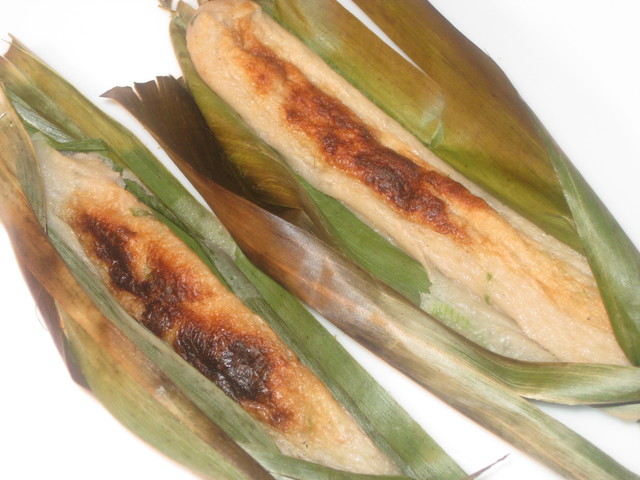
Indonesia, Singapore, and Malaysia - OtakOtak:
hot - otak otak indonesia

All of these South East Asian countries enjoy this spicy fish-cake dish which is given its flavor from dried chilies blended in a shrimp paste known as belacan, galangal peppers, lemon grass, shallots, turmeric, and candlenuts. The fish cake is then placed on top of a plantain or banana leaf.


Buddhist SE Asia:

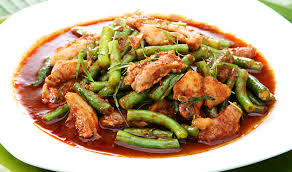
Thailand – Pad Prik Khing:
hot - pad prik khing

Enjoy your pork, seafood, or veggies the hot and spicy way! Dried red chilies and ginger are added to the curry paste, shrimp paste, to help kick up the heat in this dish that also features exotic flavors of garlic, lemongrass, kaffir lime peel, and galangal.

Vietnam – Bun Bo Hue:

Dried chilies, lemongrass, and shrimp paste, and beef bones bring flavor to the unique spicy beef broth which is sometimes served with mint leaves, bean sprouts, and lime wedges.


East Asia:

China - Sichuan Huoguo:
hot - sichuan huoguo

Like many of the dishes served in the Sichuan Provence of china, this hot-pot includes the Sichuan sauce that has “Flower peppers”. These peppers are known for their numbing capabilities, and leave the mouth-watering and the eyeballs bulging.


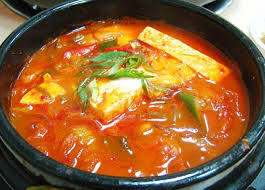
Korea – Kimchi Jjigae:
hot - kimchi jjigae

This dish is conducted of fermented and then again seasoned cabbage, tofu, garlic, mushrooms, green onions, and is served often just below boiling temperatures.

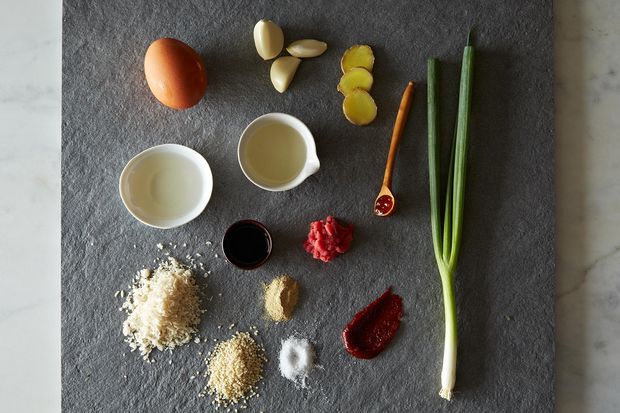
Korea – Gochujang Meatballs:
hot - gochujang

The meat is seasoned with white peppers, ginger, and onion and then glazed with the same ingredients including a Korean chili paste.


Europe:

United Kingdom – Phall:
hot - phall

One of the few spicy dishes that are from northern Europe is the British version of Indian curry. The dish includes over ten hot chili peppers, which contain both the Habanero and Scotch Bonnet.


North Africa:

Morocco - Marrakesh Spice Markets:
hot - marakesh

You’ll find some amazing treasures at one of the many Marrakesh spice markets in Morocco. Although many of the traditional dishes are not hot-spicy, there is a large amount of spice used in every dish… these spices are typically cinnamon, cumin, saffron, ginger, peppers, and turmeric.


East Africa

Ethiopia – Sik Sik Wat or Dorowat:
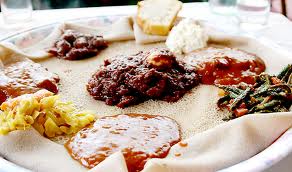
hot - ethiopia

Chile peppers, paprika, fenugreek flavored beef or chicken are mixed into a stew and served with injera bread.


Caribbean:

Jamaica – Jamaican Jerk:
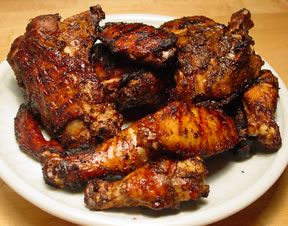
hot - jamaicain jerk

This special sauce and or seasoning is made up of cayenne, jalapeno, Habanero, and scotch bonnet peppers. The seasoning then covers your preference of pork, chicken, or steak.

Haiti – Griot with Ti-Malice Sauce:
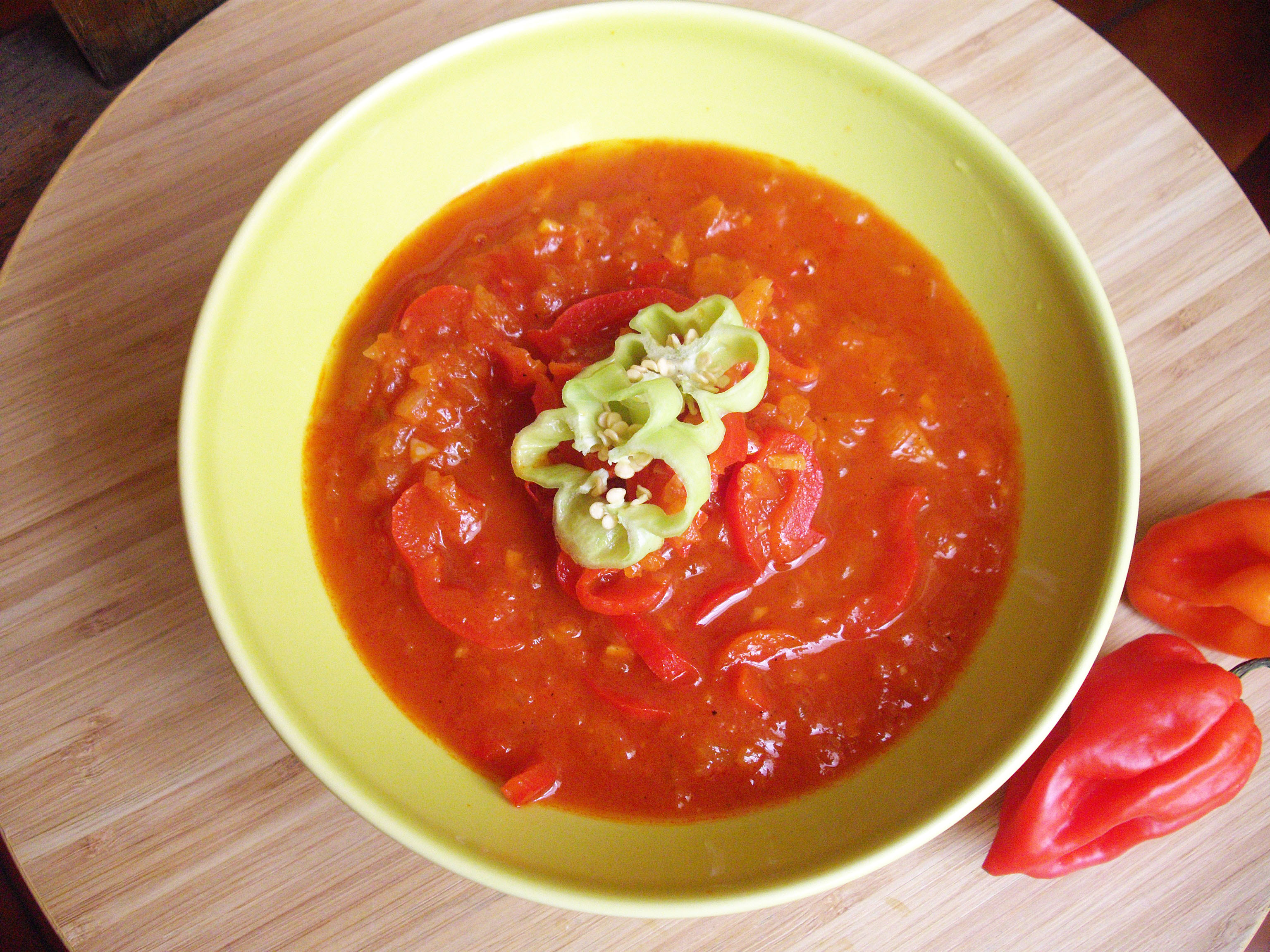
hot - groit tmalice

Spices include the Habanero and scotch bonnet and creates a spicy-tangy flavor atop pork and finished with a spicy pickled pepper garnish.


Indigenous South America:

Bolivia – Llajwa:

Spicy Bolivian Salsa. Use jalapeno or locoto peppers, and their seeds, cilantro, tomatoes, and onions. Your mouth will be watering, for more spicy salsa!

Peru – Criolli or Creole CauCau:
hot - peru criolli

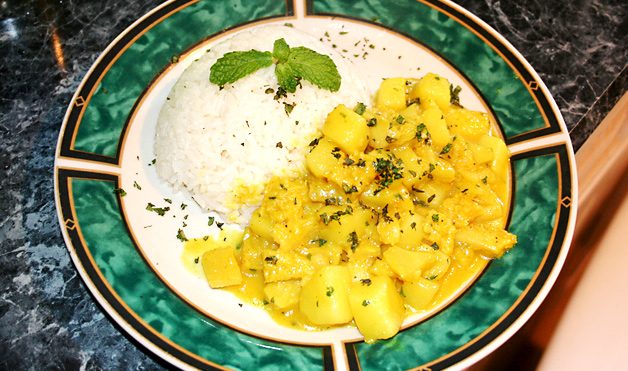
This dish is really interesting because it is inspired by a vast array and mix of cultures including African, French, Spanish, Chinese, and Indigenous South America. Yellow Chile peppers and potatoes make a delicious tripe stew.


Central America:

Mexico – Chilaquiles:
hot - chilaquiles

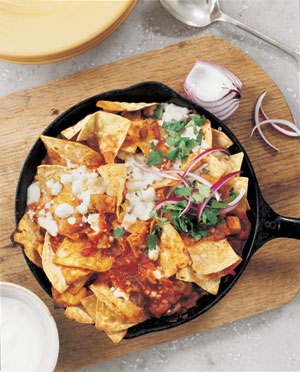
Sweat, tears, and a hangover remedy. This dish consists of lightly fried corn tortillas covered with tomato sauce, cheese, onions, and a ton of Habanero chilies.


United States:

Louisiana – Shrimp Creole:
hot - shrimp creole

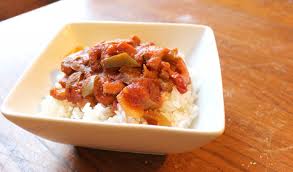
Not to be confused with its similar counterpart, Cajun Shrimp, Shrimp Creole is conducted of shrimp, cayenne peppers, other peppers, onions, garlic, celery, and tomatoes.

And all over the USA – Hot Wings:
hot - usa wings

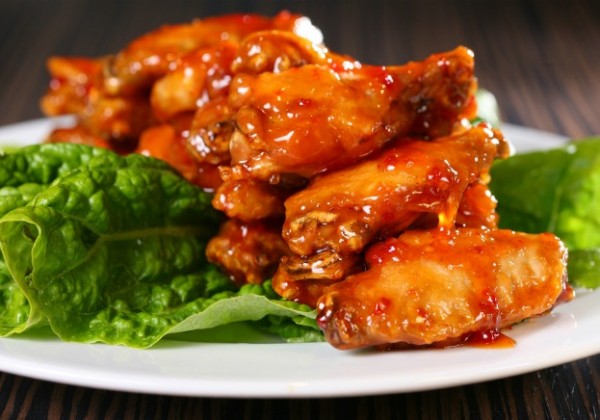
The many flavors and seasonings for the infamous Hot Wings go from mild to scorching hot. Some restaurants have been known for using the Bhut Jolokia, or “Ghost” Chili pepper, which is known as one of the hottest naturally grown peppers in the world.


For the more mild-minded:


You can still add a little zing and flavor to your favorite dishes without all the extra added heat…

  • Add ginger to your favorite cup of tea or hot water.

  • Add red pepper flakes to any dinner or stir-fry.

  • Add coriander, (Chinese parsley), to a multitude of dishes.


Wednesday, April 2, 2014

Thank you! Come again! Ah... Convenience.

[embed]http://www.youtube.com/watch?v=VxwnrR8WbVc[/embed]

We all have generic names for convenience stores – Mini-marts, Kwiki-Marts, Piss-n-Smunch – and quite often we never pay much attention to the actual names. How many convenience store chains in Korea can you name off the top of your head? CU (formerly Family Mart), 7-Eleven, Mini Stop, Buy the Way, GS-25… You can't swing a dead cat in Korea without knocking some Ramen off the shelves of one of these little shops. In fact, the only other industry that occupies as much random street space in Korea would be the many, many, many coffee shops. Quick, how many coffee shop chains can you name in South Korea? Angel in Us, A Twosome Place, Tom N Toms, Holly's Coffee, the ever-present Starbucks… at last count, and depending on whom you ask, there are today around 13,000 coffee shops in South Korea – compared to the 15,000 convenience stores. And both numbers are growing.

Are you taking a bus ride through Seoul today? Try this little game: Sit on opposite sides of the bus from a friend. Each of you gets a point for every coffee shop or convenience store you pass. If you pass a gym on your side, you lose all your coffee shops and/or convenience stores and must start again from 0. Who has the most when you get off the bus?

That game actually sounds kind of lame, doesn't it? Well, fear not – there is a better one. It is called Go-Stop, and you can get a deck of the little plastic cards for this game in any convenience store in Korea. The cards are called Hwatu (화투), and the game is a hoot, once you learn how to play. You can sometimes see older men (ajeossis) playing this game at the little plastic tables set up outside most of these same convenience stores. Often, they are surrounded by empty soju bottles. Do you want a night out that will save you a little money and provide you with an atmosphere conducive to conversation? Then the plastic tables at a convenience store are for you. Sit back, crack a beer (or a makkoli if you really want to save some money), and do some people watching. It is a marvelous way to kill an afternoon. Pick your location wisely, and there's no telling who you may meet. If you get hungry, just grab some snacks off the shelf when you go in to pick up your next drink. Shrimp chips, bag o' squid, assorted fruits and nuts, samgak (triangle) kimbap, ice cream, and those marvelous little sandwiches of questionable content… the banquet is considerable and varies from shop to shop. Forgot to brush your teeth before heading out to slum it at the local GS-25? No problem. They sell travel toothbrush kits for around 2,500 won. Rip your shirt twisting the cap off that last imported beer? Pocket sewing kit, 1,000 won. In fact, you can often find everything you need to survive contained in one street of these remarkable convenience stores.

[caption id="attachment_1477" align="aligncenter" width="228" class=" "]Samgak kimbap and other assorted munchies. Samgak kimbap and other assorted munchies.[/caption]
Convenience stores in Korea bring in on average 6.2 trillion won (USD$5.8 million) per year for their segment of the total retail market. The biggest of the franchises is Family Mart, which was rebranded in 2012 as CU in order to expand the franchise's business globally under an independent brand. Family Mart was a subsidiary of BGF Retail, a joint venture between Korea's Bo Gwang Group and the Japanese brand, Family Mart. This move was intended to establish CU as an independent retailer rather than just a knock-off of Japanese models, according to BGF Retail Chairman Hong Seok-Jo. The label CU is an abbreviation of the slogan "Convenience for You" but many locations have retained the words "with Family Mart" on displays to maintain customer loyalty.

[caption id="attachment_1479" align="aligncenter" width="271" class=" "]Other assorted convenience store goodies. Other assorted convenience store goodies.[/caption]
CU still faces stiff competition from many other established convenience competitors, including GS-25, another leading contender in the convenience store wars in South Korea. GS-25 is run by its parent company, GS Retail, although it was originally under the control of LG. Both GS and LG originate with the older company name, "Lucky Goldstar." 7-Eleven also has a heavy presence in Korea with over 7,000 locations licensed under the Lotte Group. Lotte then acquired the Buy the Way chain of convenience stores and brought them under the 7-Eleven umbrella, although some still retain the Buy the Way name on their signs. Although the shop name is the same as the U.S. stores, products closely associated with U.S. 7-Elevens – namely the Slurpee and the Big Gulp – are not available in the Korean stores.

tables

Whether you choose to plant yourself in the open air outside a CU, a 7-Eleven, a GS-25 or a Mini Stop, each of these convenience stores has a lot to offer, and at very affordable prices. Although many of them carry many of the same items and brands, each one is unique in its own peculiar way, and none of them carry exactly the same items. Some of the most fun you can have in Korea is sitting around a little plastic table outside a convenience store on a busy street. Some may pooh-pooh the idea as "low class" – and it is, to some degree – but in Korean culture, it is considered much, much lower-class to stroll down the street with an open alcoholic beverage in your hand. So take note, wagooks – if you want to drink outside in Korea, you can do far worse than getting comfy outside your local Kwiki-Mart.  No matter what, when it comes to selecting a business, the three key points are always the same: Location, location, location. Some of the best ones are the CU in Haebangchon, a GS-25 located around the corner from subway exit 4 in Apgujeong, and one, the name of which I forget, that is up on the back street in Itaewon, near the Rose and Crown pub (exit 1, fourth alley on the right). There is also a really small one conveniently located across from the park near Hongik University in Hongdae, which is also a marvelous place to socialize outdoors when the weather is nice. If you are tired of the bar scene but would still like a sociable atmosphere and yes, maybe even a light booze buzz, go commandeer a table at a convenience store – but be warned: It is addictive. It is much more comfortable – and convenient – than it looks.

But don’t take my word for it – just ask these folks.