Showing posts with label Diplomacy. Show all posts

Saturday, January 31, 2015

Blood, Sweat and Tears: the Power of Sport

Sport is a key part of both the past and present worlds. Along with music, literature and dance, it’s something that is both magnificent, yet odd: we don’t need any of these things to survive really but it’s difficult to imagine living without them. Most appreciate sports for their entertaining, inspiring or competitive values while others dismiss them as “just a game.” For me, sport carries a much heavier weight in society than was previously known or appreciated. It has been well documented that generals used gladiators in ancient Rome to entertain a public and take their eyes off more serious social issues. But even today, out of the gyms, away from the courts, pitches and fields, sport can play a pivotal role in changing lives, communities and even break through age-old domestic and international rivalries.  Because of this, governments and institutes all over the world and stepping up their efforts to support sports diplomacy. Previously major powers saw ‘cultural diplomacy’ such as sport as being weak, inferior or just not worthwhile. This kind of ‘soft power’ diplomacy includes sporting events, language schools and university exchange programs between nations. Governments had underestimated the power of culture and how it can affect people and their perception of foreign nations.

Changing Perceptions


On an international scale, the BRICS association which consists of 5 emerging financial powers (Brazil, Russia, India, China and South Africa) have (or will have) all invested in major sporting events by 2018. South Africa, Brazil and Russia had/will have the FIFA World Cup, one of the greatest spectacles on the planet. China has and Brazil will have held the Olympic Games which is as big as the World Cup in attracting worldwide attention. These events cost billions to hold and run but can influence the world’s collective image of a nation. Hence the grand opening and closing ceremonies in which nations try to showcase their culture and create a positive brand of their nation which will hopefully lead to an increase in foreign investment or increased tourism in the future.

[caption id="" align="aligncenter" width="309"] China held the Olympics in 2008. Can the money spent on lavish ceremonies and stadia change the world's perception of China?[/caption]

Bridging Divides


"Sport has the power to change the world…it has the power to inspire. It has the power to unite people in a way that little else does. It speaks to youth in a language they understand. Sport can create hope where once there was only despair. It is more powerful than government in breaking down racial barriers."

Nelson Mandela


(http://www.bbc.com/sport/0/25262862)


Sport can also influence people who have no interest in the games themselves. Sport can provide the perfect platform for groups to work cohesively together and encourage those watching to follow suit. Two famous examples stand out for me. One, during apartheid in South Africa when the Rugby World Cup was heading to SA. At that time only white players were allowed to play for the national team. Eventually, thanks to President Nelson Mandela, this rule was broken and black players were allowed to play. Despite initial disapproval, the nation soon got behind the team and their success was evident off the field by uniting the nation. The second example that springs to mind is the 1991 table tennis championships in China in which North and South Korea entered as a joint team and defeated the favorites China. This situation overcame the unique and unfortunate circumstances between the two Koreas.

[caption id="" align="aligncenter" width="554" class=" "] 'Korea' or 'As One' was a 2012 movie that depicted the true story of the two Koreas united at last.[/caption]


Local challenges and Local Success


My favorite sport by far is ‘the Beautiful Game’ as it is known: football (or soccer depending on where you are). I love the sport like millions around the world. Growing up, not only does it help kids stay fit and learn to work in teams, but even as an adult it shows how sport is a universal language that can be enjoyed by everyone. Though playing time has become limited, I play with guys from nearly 10 countries, all whom have different backgrounds and languages yet while playing, everyone is able to communicate. By sensing the power and passion that football carries, some wise people have used it to promote great projects in underdeveloped communities. Academies set up by pros in Sierra Leone for example offer kids a chance to be a part of something meaningful and lighten up their otherwise grim lives. Even in western nations, football leagues have been set up in London for teenagers who are involved in gangs. Games kick off at 3am. Research showed that this was the peak of night when knife crime and anti-social behavior occurred among youths in the area. The project has been running successfully and helped teens explore other options out of gang life.


Sport is a financial giant with sponsors, merchandise, ticketing and stadia development all contributing to the games natural values. However, the power that sport brings should be worth greater investment. Games can bring families together to the couch, communities gather for cup finals and nations stand up and sing anthems as one. Everyone needs a sport of some kind to appreciate the effects it can over the individual and on a larger scales, institutes, governments and nations should appreciate the diplomatic value of sport.

Thursday, August 28, 2014

Female Terrorist Motivations

Terrorist Culture: Not for everyone. But for some, including myself, the study terrorism as an act of communication, is interesting.  Terrorists will bomb certain venues to get their point across in a violent way. That’s right, the act of killing and endangering hundreds of thousands of people, in most terrorist cultures, is believed to aid in the gain of group power or attention. Another spicy interest of mine is to study female terrorists, specifically those of Islamic culture. To me, a female terrorist is like a spy wearing all black, is a person who is not trustworthy as they are seeking revenge.

As Islamic male martyrs are sometimes adored and made famous, thought to be rewarded in heaven with some 80,000 servants and 72 virgin women, I have wondered, what will the women receive? Are the women motivated to become terrorists through their religion? Do women who become terrorists gain equality among their male counterparts in daily life or is their life simply put on the line serving as an advantage through security checkpoints? This article is not about terrorist equality, or about communicating as terrorists, but it is about what motivates the women of Islamic culture to become terrorists. What does it bring them?

The modern-day female terrorist is not always talked about. They actually hold negligible in today’s media. But when they are talked about, it is a big deal. Essentially, female terrorists go against any sense of femininity when acting as an instrument of destruction. They send a message to multiple publics which says, ‘I can create life, and I can terminate life’. For purposes of strategy, female terrorists often wear disguises. They will dress in a Western fashion or as Israeli women and sometimes wear revealing clothes. But this compromises their Islamic religion. Many Islamic family members do not want their women to be disguised and dressed without modesty. Islamic family members will also not be paid as handsomely if their daughter becomes a terrorist or suicide bomber, which is another reason you don’t hear of many female terrorists.  So it can’t be the fame and flashing spotlights that motivate these young, strategic women, and it isn't the small amount of money…

In all, some women are simply used in terrorist attacks while some do it for themselves. For the most part, women are motivated to become terrorists by non-political factors. It appears that women who choose to partake in acts of terrorism bring respect to their status and involvement in the terrorist group; they bring pride to their family and children, and have found eternal paradise for themselves. Many female terrorists want to seek revenge on those who killed family members or on their male counterparts which have oppressed them in the past. It is also sometimes easier to be a female terrorist, when infiltrating security checkpoints in airports. Females have that advantage over men; they are not as closely examined. Sometimes women fight as terrorists to bring awareness about causes or about poverty. But while some women can take pride in being a terrorist, some women just don’t have a choice. These women have been raped, have had their reputations tarnished, they are unable to bear children, or carry a range of hidden backgrounds. These women are then handed a suicide belt.

Whatever the motivation, these women are setting up the stage to kill. Their style of communication continues to bring more sadness and distress into the world while their message is haunting. While most female terrorists are unheard of or kept in secret, there are hundreds of female terrorists and terrorists groups to research.

Female

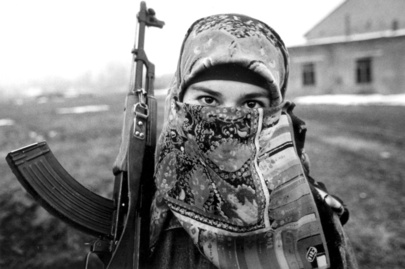
One female terrorist group that is quite popular is known as The Black Widows. This isn't me talking about the deathly-scary spiders that live in temperate regions of the world; I’m talking about the group of Chechen women who know how to kill. The Black Widows are also known as the ‘Shahdikas’ or the ‘Brides of Allah’. These women are highly trained by psychologists, other terrorists, and explosive experts. Most of the women seek revenge on the Russian government among others to fight for their husbands they have lost, while some of the group members are sold into the group, kidnapped, or tricked. Some of the women have just reached age sixteen. Don’t let their age or disguises fool you. A famous stunt performed by the Black Widows involved the deaths of one hundred and twenty-nine people in 2002 at the Moscow Theatre. The group has also been involved in over fifteen terrorist stunts in under fourteen years. I highly suggest you look these girls up.

And a question for you: If you were a spy, what would your spy-name be?

Thursday, July 17, 2014

Repent or Die: How ISIS is Changing the Gulf

Some of you may have heard that the ancient Egyptian goddess Isis has returned to Earth and is wreaking havoc in Iraq, with plans to expand her new empire to engulf the world. Well, you heard wrong. The ISIS in the media today has nothing to do with Egyptian mythology. Who is this ISIS, then, you ask? To answer that question, first we have to look at the two main factions of the Islamic religion: Shiite and Sunni.

[caption id="attachment_2110" align="alignnone" width="214"]Egyptian Goddess Isis: Not involved Egyptian Goddess Isis: Not involved[/caption]

Fundamentally, both sects follow the same basic teachings of Islam. The main difference is one of politics and not religion, and it reaches back through the ages to the death of the Prophet Muhammad himself. Upon his ascension, there was a debate over who should carry on as the leader of Islam. The Sunnis followed the beliefs of many of the Prophet’s companions, which stated that a new leader should be elected from a group of those qualified to take up the mantle. The word “Sunni” itself means “One who follows the traditions of the Prophet.”

The Shia (Shiite) Muslims believe that leadership should have stayed in the Prophet’s family line, and should have passed to Muhammad’s son-in-law, Ali bin Abu Talib. Shiites have refused to acknowledge the leadership of elected Muslim officials. Rather, they follow Imams that they feel would have been appointed by the Prophet or by God Himself. The word “Shia” simply means a supportive group of people, but the Shiites have also gone by the name Shia-t-Ali, meaning “Supporters of Ali.”

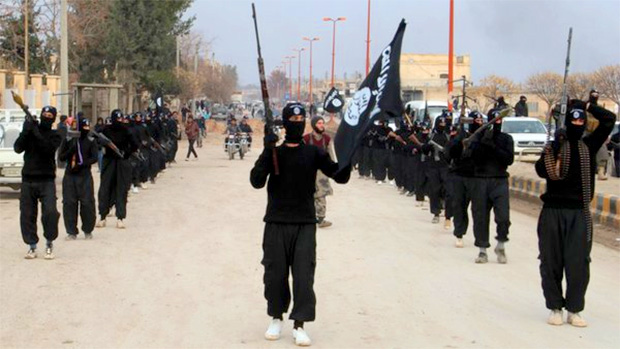
ISIS is a Sunni group that has grown out of al-Qaeda forces fighting against the FSA (Free Syrian Army) in Syria. ISIS takes their Jihad to a whole new level, however – a level so extreme that even al-Qaeda has disowned them. After securing territories near the Syria-Iraqi border, ISIS carried its Jihad into Iraq to combat the U.S.-established Shiite government under current president, Jalal Talabani. Talabani is the first non-Arabic leader of Iraq, as he is from the Kurdish side of the tracks. He is known as “Mam Jalal” or “Uncle Jalal” among the Kurdish people. ISIS moved into north-western Iraq, where there are several disenfranchised Sunni tribes, many of whom are hoping to restore the Sunni glory days as they were under Saddam Hussein before the U.S. invasion.

Gaining support in the region, ISIS spread quickly, taking control of Anbar, the largest province in Iraq, and then securing cities, from their stronghold in Al-Qaim to places further south such as Rawa, Ana, and Husaybah, which is only 100 Km (62 mi.) from Baghdad. Recently, ISIS has strengthened its grip on this territory from Syria to Iraq so much that it has officially declared itself an independent Islamic state, calling itself the Islamic State of Iraq and the Levant.

[caption id="attachment_2111" align="alignnone" width="300"]ISIS annual Black Pajama Parade ISIS annual Black Pajama Parade[/caption]

ISIS has swept across Iraq enforcing brutal control, putting down any resistance from Shiite-friendly fighters and moving itself into a position that could potentially topple the Iraqi capital and the government therein. Their ultimate goal, they say, is to bring the Muslim regions of the world under their direct control, starting with regions like Jordan, Lebanon, Kuwait, Cyprus, Palestine and even Israel. I may not know much about the geopolitical climate of the region, but I am fairly certain that if ISIS ever does attack Israel… well, suffice to say, I will be getting the hell out of this part of the world ASAP.

So what does all of this mean to the Middle East? What new sort of wackiness has the sudden rise of ISIS brought to the region? Strangely, it has proven to be somewhat of a unifying force, bringing together different (and often conflicting) Muslim peoples and governments in a unified front against the push of what they see as Takfiri militants. “Takfiri” is a term used for a Muslim who accuses another Muslim of apostasy, or the abandonment of their religious beliefs. ISIS is basically calling other Muslims infidels, and other Muslims are basically telling ISIS to shut their collective pie hole. Indeed, the CCG (Cooperation Council for the Arab States of the Gulf) is rallying together to face this sudden and unexpected threat, and it is actually kind of beautiful in a horribly bloody way. Enemies are becoming friends, which is always a good thing – and yet it is due to horrible violence, which is never, ever a good thing.

Wouldn’t it be kind of nice if ISIS’s plan the whole time was to play Devil’s Advocate with the true intention of uniting the differing factions of Islam? They play the bad guys in order to unite Muslims against a common enemy created by ISIS leader Abu Bakr al-Baghdadi in a bid to bring about peace and brotherhood through turmoil. In truth, then, their intentions would actually be kind of noble, if misguided. I would like to believe that this is the truth behind the atrocities… I would like to believe it, but I can’t. In reality, ISIS is most likely just out for blood against those they see as not being true to the faith.

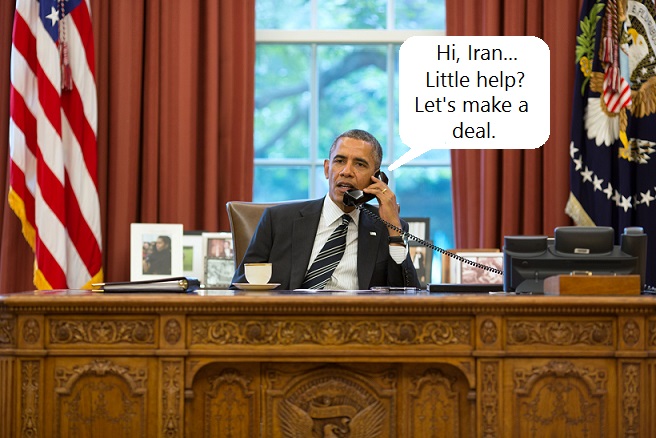
Back in reality, there is even more strangeness afoot, as the rise of ISIS is not just making new alliances among the Muslim nations, but several other nations are getting in on the mutual admiration game. Case in point, the United States – the empirical power that many see as the root cause of the unrest in Iraq – is reaching out to its old enemy Iran for two reasons that, on the surface, may appear separate, but in truth are very much tied together. The first reason is, of course, the U.S.'s ongoing battle against nuclear proliferation. Rumor has it that Iran is working on a bomb, and the U.S. and its allies – particularly Israel – take issue with that. The other reason the U.S. is reaching out to Iran is that Iran has both the military might and the ideology to be the greatest force against ISIS in the region. Iran is already placing its elite IRGC forces in preparation for an all-out assault on ISIS. The U.S. and the rest of P5+1 (AKA the U.N. Security Council plus Germany) have a vested interest in seeing Iran not only enter the fray, but to emerge victorious. To that end, the new discourse being broached by the U.S. with Iran to broker a new nuclear deal is very telling, as they may use these negotiations to get Iran to fight on their behalf against what the P5+1 sees as the REAL threat: ISIS.

Barack_Obama_on_the_telephone_with_Hassan_Rouhani

In short, the U.S. needs Iran to quell the growing influence of ISIS in the region. Iran considers this a win-win as it not only will mean more negotiating power in its nuclear deals with the U.S. but it also means greater influence over the Gulf region as it will use its sacrifice in the struggle against ISIS to establish itself as a recognized world power. This probably does not sit too well with the CCG, but they, too, are relying heavily on Iran’s strength to stop the spread of ISIS. The Saudis already have troops placed on the border they share with Iraq, but regional geopolitical experts have warned that an intervention now by the Saudis could serve only to exacerbate the situation. Some say the best path to resolving the conflict will be through an agreement between Saudi Arabia and Iran. As journalist Bob Dreyfuss wrote in an article for The Nation (14 July, 2014):
"The easiest way to resolve the Iraq-Syria civil war is through an accord between Saudi Arabia and Iran. Although Saudi Arabia supports the Sunni side in a broad, regional proxy war throughout Iraq, Syria, Lebanon, the Persian Gulf and into South Asia, and Iran supports the Shiite side, neither side tolerates either Al Qaeda or ISIS. Both Riyadh and Tehran are worried about the rise of ISIS, and the common ground is there for both countries to establish a détente and try to resolve the civil war."

Dreyfuss also states that the chances of ISIS progressing much further are zero. Still, the region waits on pins and needles, as here in the Gulf we are in the midst of the holiest month of Ramadan, and both sides are using this time to build up support for what many see as inevitable conflict. ISIS is recruiting downtrodden Sunnis in Iraq, growing their forces the same way they did in Syria, and Iran is rallying its forces and brokering deals with the West. Sides are forming for what could be a major kerfuffle here in the Gulf: A unified front of Islamic nations led by Iran and backed by the U.S. against ISIS, a terrifying and fast-growing new threat to stability in a region that is not known for its stability. Keep in mind that much of the military equipment that the U.S. left in Iraq is now in the hands of ISIS, ISIS has taken control of a large chemical weapons plant in Iraq, and they are not hurting for money as they have begun selling off the oil from fields that they have taken so far at a rate of $1 million per day. ISIS is serious, as their ultimatum/motto “Repent or die” would seem to indicate.

The climate is always changing, and there really is no way to predict on which side of the line the ball is going to drop. If the conflict in Iraq boils over, we will see a lot more bloodshed in the region. If not, then perhaps we can find a silver lining in that ISIS may have served, in a limited extent, as a blessing in disguise by opening constructive discourse and creating a path for cooperation in the region.

As it stands, the peoples of the Gulf will prepare for war, and pray for peace.

Tuesday, July 1, 2014

North Korea: Security threat or not?

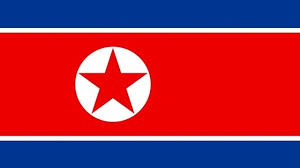
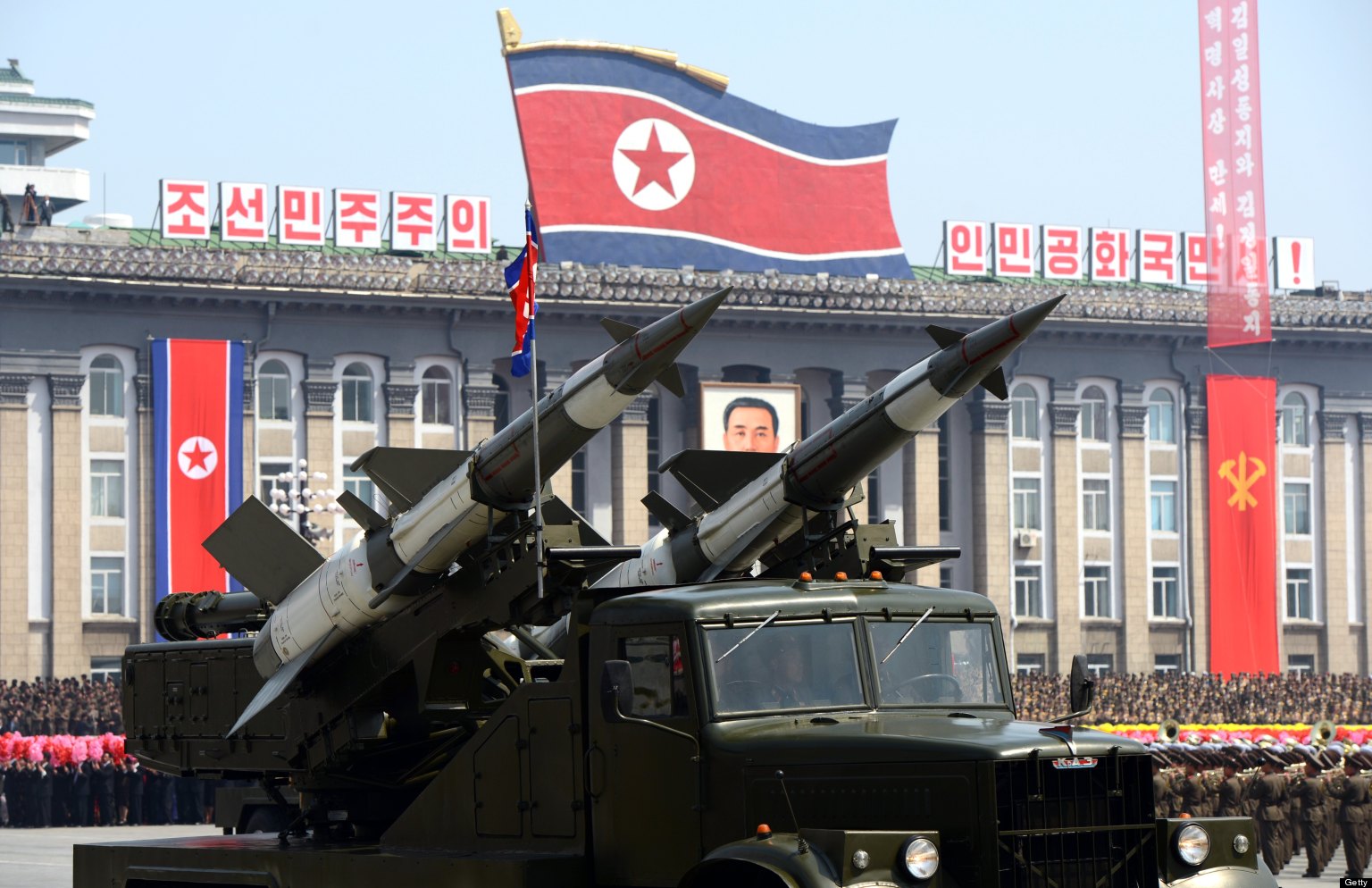
NK flag

North Korea has proposed to its southern neighbor for an immediate cease on all provocative military actions to “better” the relationship between the two countries, according to media outlets.

The proposal comes mainly due to the annual joint military exercises between South Korea and the U.S. The timing for North Korea’s offer for amicable relations couldn’t be funnier. The isolationist state recently test fired missiles into the East Sea, and it drew much criticism from the international community.

North Korea has pulled off this trick more than anyone can count. Pyongyang, North Korea’s capital, provokes the international community with its nuclear weapons test, missile launches, and its many threats of military action against South Korea. However, North Korea also requests bilateral or multi-lateral talks with countries like South Korea and the U.S. Pyongyang makes numerous claims for peace on the Korean peninsula, but in less than a year, they always break their “promises” for cooperation.

The question everyone should ask themselves is, “Is North Korea a security threat to the world?”

First, let’s define what security threat means. According to Wolfers (1962), “Security, in an objective sense, measures the absence of threats to acquired values, in a subjective sense, the absence of fear that such values will be attacked.”

Basically, security threats can be summarized into two categories: 1. A threat is present if one actor (a state or organization) is about to literally attack another state. 2. A threat is present if a state feels like they are under danger, regardless of whether or not an actor will really attack.

In these cases, how much of a security threat does North Korea pose? It’s true North Korea has been a security threat both in the objective and the subjective sense. The South Korean Cheonan naval ship was brought down by the North in 2010, which was a direct attack on the Republic of Korea (ROK). Its nuclear weapons tests and ballistic missile launches, although they weren’t fired directly at any other state, are provocations that make the reclusive state to be deemed a security threat. These actions are considered security threats, but what exactly is the North’s purpose for causing such a scene so often?


As most are aware, the Democratic People’s Republic of Korea (DPRK) is in economic turmoil, and its citizens constantly suffer from malnutrition. The CIA World Factbook estimates the GDP in North Korea to be roughly $1,800 USD per capita. However, the UN estimates North Korea’s GDP per capita at $506 USD. The economic sanctions placed against the state don’t help economic growth either.

Because the nation is in poverty, the DPRK has to find alternative methods to bring in money. At the moment, the North relies upon foreign aid to help feed its people. The DPRK causes ruckus in order to grab international attention. Its pleas for attention come in the form of nuclear weapons and military threats.

The DPRK has struck deals with the U.S. to dismantle its uranium plants for food and energy aid. The U.S. kept up its part of the bargain and helped the impoverished nation, but once the North got what it wanted, they always went back on their word. North Korea joined the Nonproliferation Treaty in 1985, but the North has always restricted access to certain facilities whenever the International Atomic Energy Agency (IAEA) made their inspections. North Korea always pledged to halt all weaponizing of nuclear material in return for aid, but they have never followed through with their vows. They merely took and never gave. It seems the only leverage the DPRK has is the threat of military force when it comes to negotiations. So, it comes down to whether or not North Korea will actually use nuclear weapons or declare war. Sure, they are very aggressive when it comes to foreign policy or diplomacy, but they also know it would be highly ill-advised to attack the U.S. mainland or try to invade South Korea again. As long as they wave around their threat to do something impulsive, negotiations will continue through bilateral or multi-lateral talks. And as long as concerned state actors come to the table, they can ask for foreign aid (which they often do get).

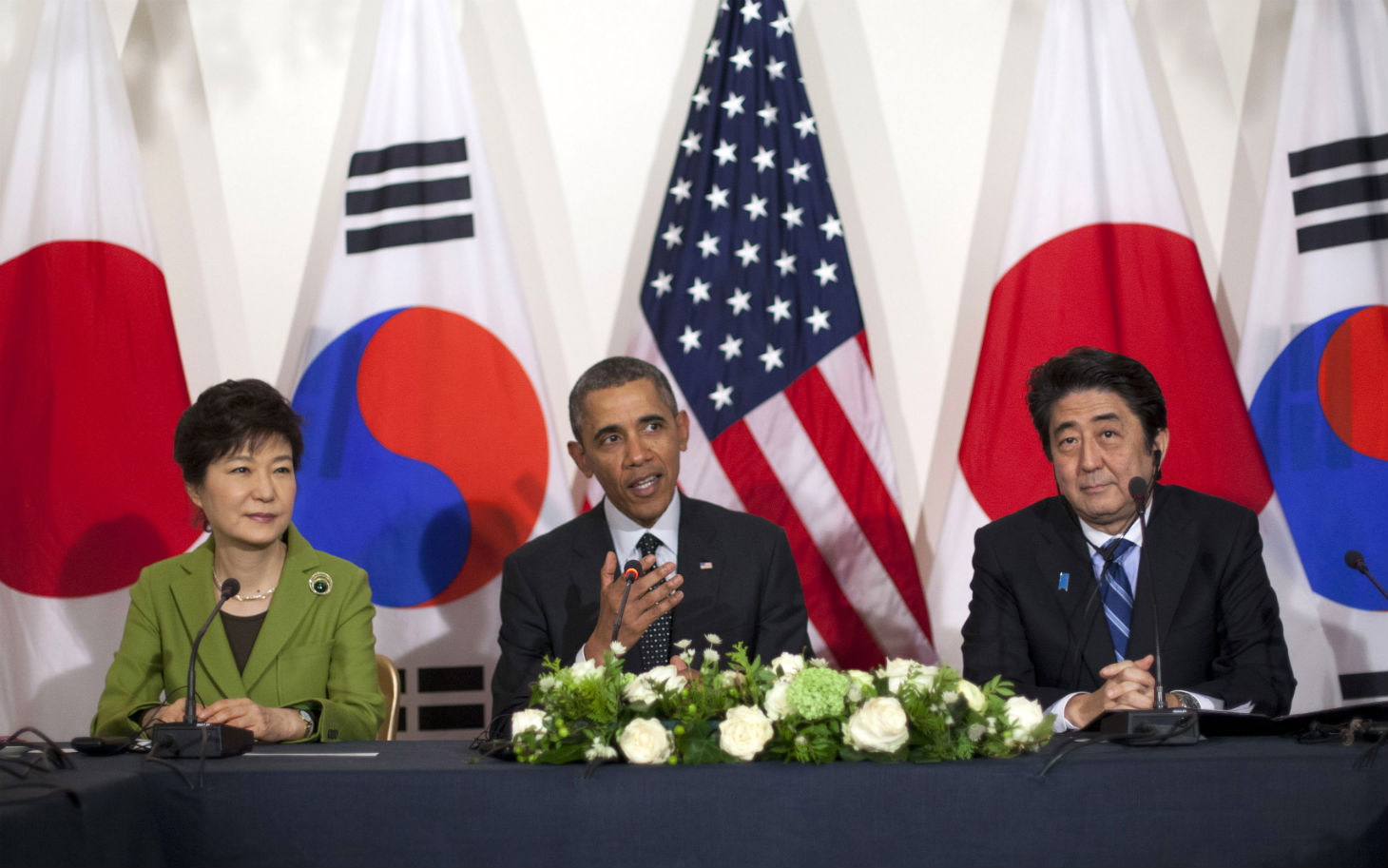
park_obama_abe

North Korea does provoke other nations, and sometimes those provocations are pressing security threats. However, most of their threats are a cry for attention and the international community must keep that in mind when they are dealing with the Stalinist state.

Thursday, June 26, 2014

5 Brief Points of the Korean War

Yesterday was June 25th, and for those that are unfamiliar with Korean history, yesterday marks the 64th anniversary of the start of the Korean War. To those that haven’t learned much about the Korean War, I’ve outlined a few concise facts of which you should be aware.


  1. The 38th Parallel
    After the Japanese surrendered in World War II, Korea was finally free from Japanese imperial rule. Soon after, the Soviets scrambled to take over the entire peninsula, but due to U.S. intervention, the Soviet Union failed to overtake the entirety of Korea. Instead, the two powerhouses decided to draw a border at the 38th parallel. Thus, Korea was split into two different states. The northern side was widely influenced by the Soviet Union while its southern counterpart had the U.S. to back them.

  2. The Two Koreas
    Though the UN tried to bring the two Koreas together to form one single state, negotiations failed. The Soviets wanted Korea to pursue a communist state, but the Americans pushed for a democratic nation for the two Koreas. As you can probably imagine, neither came to a compromise. Hence, South Korea established a government under its first president Rhee Syngman in 1948. Kim Il Sung of the North, implemented a communist government. In 1949.

    [caption id="attachment_1990" align="aligncenter" width="300"]Pictured from left to right: Rhee Syngman, Kim Il Sung Pictured from left to right: Rhee Syngman, Kim Il Sung[/caption]

  3. The War
    On June 25th, 1950, Kim Il Sung led the North Korean military across the 38th parallel and into South Korean territory. The invasion came as a surprise to the South. The South Korean military couldn’t withstand North Korea’s military forces. Before the U.S. intervened, the South was pushed all the way down to the Busan Province. The counter offense pushed the North back to the point where they were practically knocking on China’s door. The Chinese also stepped in at that point, and the ensuing battles on the peninsula raged for over a year. For the next two years, China, the two Koreas, the Soviet Union, and the U.S. negotiated over the terms of a truce on the peninsula. After much negotiating, North and South Korea armistice was signed on July 27th, 1953.

    [caption id="attachment_1992" align="aligncenter" width="300"]Many affected by the war lost their homes and family Many affected by the war lost their homes and family[/caption]

  4. Aftermath of the war
    Once again, the two warring parties agreed to draw the line at the 38th parallel, which is most often referred to as the de-militarized zone (DMZ). The war cost nearly 2.5 million people their lives, and about 10 percent of those casualties were civilians.
    The war devastated the lands and 45 percent of its industrial factories throughout the peninsula. Korean society was in turmoil – orphans and widows littered the streets with no place to go. Recovering from the war took much time and South Korea has become one of the biggest economies in the world.

    [caption id="attachment_1989" align="aligncenter" width="300"]The DMZ The DMZ[/caption]

  5. The Future of the Koreas
    The peninsula is still technically at war because there was no peace treaty.
    North Korea has become a reclusive, isolated, and dangerous state, whereas the South has prospered. There are debates about whether the two Koreas should reunify to become one nation. In 2000, South Korean president Kim Dae Jeong made international headlines when he went to North Korea and met with Kim Jung Il. His Sunshine Policy has made it possible for more communications between the two countries. However, whether or not the two states will become one remains to be seen, but looking at the recent state of events between the Koreas, you may not want to hold your breath.

    [caption id="attachment_1991" align="aligncenter" width="300"]Perhaps one day the two Koreas may reunify Perhaps one day the two Koreas may reunify[/caption]


This article is dedicated to all those that have sacrificed, lost, or have been affected in any other way by the Korean War. Special thanks to Scott Song for his outstanding help and advice on the article.

Monday, May 19, 2014

5 Asian stereotypes in the 1990s/2000s

South Korea (along with its neighbor in the north) gained fame throughout the world for its K-pop, food, and internet. However, Korea only recently made its appearance on the international stage. For those that lived in the 1990s and early 2000s, not many people knew or even heard of Korea. I grew up in America and I, as well as other Koreans, faced a lot of stereotypes during my childhood. Among them, the most frustrating was…

  1. Chinese or Japanese?

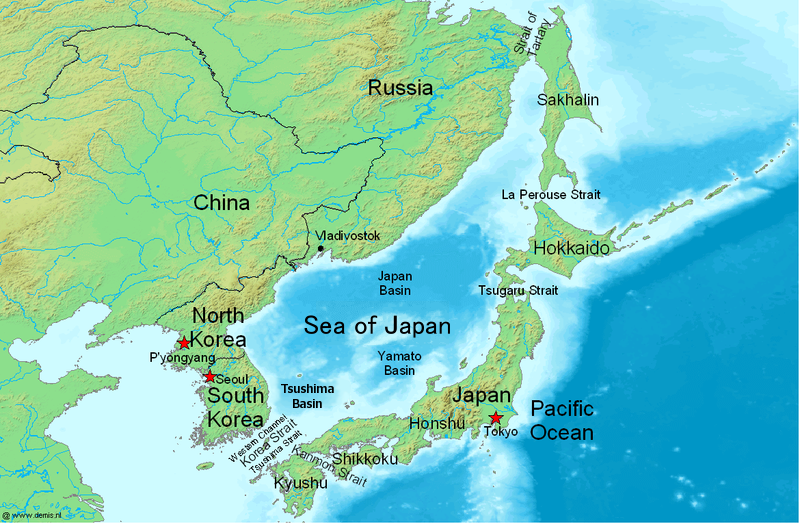
    [caption id="attachment_1899" align="aligncenter" width="300"]Where is Korea? Where is Korea?[/caption]

    Whenever I met new kids at school, they would always ask me whether I was Chinese or Japanese. For those that knew a tad bit more about Asia would even ask me if I was Mongolian. My response, “I’m Korean” would baffle them. They had never heard of Korea (south or north) and so they would simply assume I was from a remote country somewhere in the Far East. This continued throughout the ‘90s until people began recognizing Korea as a developed country. But the one thing they truly found interesting/weird about Korea was…

  2. Eating dogs

    [caption id="attachment_1897" align="aligncenter" width="259"]Cucumbers - the best seasoning to go with a bowl of dog. Cucumbers - the best seasoning to go with a bowl of dog.[/caption]

    Middle school proves a difficult time for young adolescents. Social cliques begin to form, kids start becoming moodier, and norms, to which all kids must adhere (lest they become social pariahs), are established. On top of that, Korean kids would have to suffer accusations of dining on man’s best friend. I highly doubt any Koreans would eat dog in the U.S. For one, it’s probably illegal to eat your dog there. Second, Koreans don’t eat their pets. However, the only thing kids saw was the consumption of dogs. If I went over to any of my American friends’ house, they would play “keep the dog away from the dog-eating Korean kid.” They were semi-joking of course, but still, they didn't leave me and their dogs alone in the room. If I confronted them about this, they would try to avoid a fight with me because apparently, I knew…

  3. Martial arts

    [caption id="attachment_1898" align="aligncenter" width="240"]Don't mess with Asians - they'll jump kick you in the face Don't mess with Asians - they'll jump kick you in the face[/caption]

    Thanks to Jackie Chan, Bruce Lee, Jet Li, and many other Asian martial artists/actors, people thought Asians could do kung-fu or karate. I had never taken any self-defense classes, but people always thought I could pull out a can of karate-whoop-ass on anyone if I so chose to do so. I had once gotten into a fist fight with one of the other kids during recess. One of the onlookers encouraged me to “karate-chop his ass.” To please the crowd, I attempted what I thought was a legitimate martial art move. It proved, but after the fight, everyone thought I had awakened my latent Asian martial abilities. If the kids weren't asking about my martial arts abilities, they were asking me about homework because…

  4. Asians are really smart
    Now it’s true that I may have achieved above average grades in school, but that’s because I applied myself to my studies. However, that doesn't mean all Asians are smart. Everyone in school automatically assumed I would do well in courses like math or science. I actually knew more than a handful of Koreans that were terrible at math or academics in general. When it came to assigning lab partners, everyone wanted to pair up with the Asian kids. Of course they would. Our intellectual oriental brain would help them get better grades. Another stereotype I truly despised was…

  5. Chinky eyes

    [caption id="attachment_1896" align="aligncenter" width="300"]Just look at those small chinky eyes. It's a wonder how Asians walk around without stumbling. Just look at those small chinky eyes. It's a wonder how Asians walk around without stumbling.[/caption]

    It may be true a majority of Asians have smaller eyes, but it still stung when the other kids pulled back their eyes to make fun of Asian people. When it came to portraying Asians, the only thing that other people could come up with was squinting their eyes. Sometimes, people would ask me if I could see well, what with my small squinty eyes. I would pay dearly if I made any mistakes concerning visual observation. The rant would pour down about how my small eyes limited my vision. When the staring game was still popular, all the kids played against each other, trying not to blink. Whenever it was my turn, the kids would say I would cheat. They said because my eyes were so small, they couldn't tell if I was blinking or not. Ouch.


The world has culturally developed so that these stereotypes aren't as present as they were 10 – 20 years ago. That doesn't mean they have completely disappeared. Asians, along with other cultures, face many stereotypes, and it’s our job to look past them and embrace the different backgrounds and cultures of people. The world and its citizens have become more international, and that’s great. But without understanding the truth and more importantly, the non-truths that have spread, becoming international has no real meaning. Thus, the next time you encounter a Korean or Asian, please don’t judge them based on what you have heard from someone else. I’d love to write more about this topic, but I have to go solve some math problems and eat a bowl of dog stew.